
August 13, 2025
Veneers
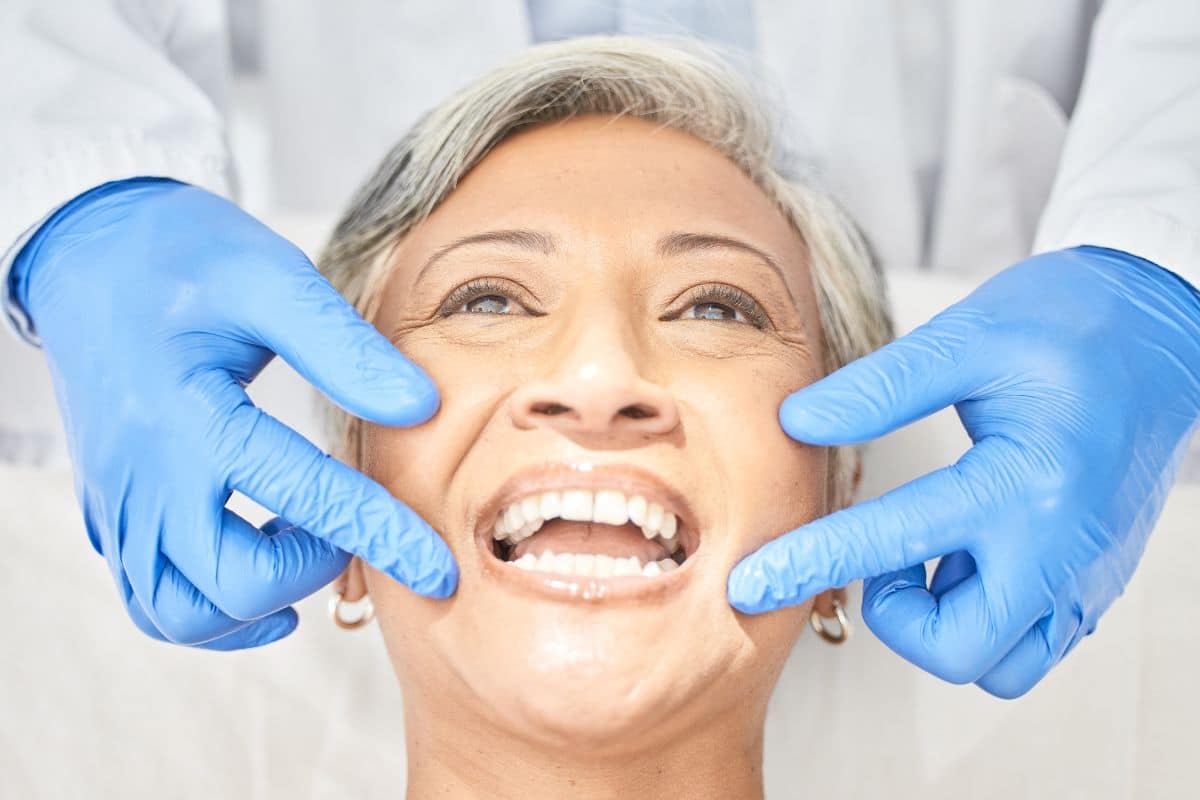
Aging brings wisdom and experience, but it can also change your smile. Teeth may yellow, chip, or wear down over time. Many seek ways to refresh their look without major changes. Veneers offer a simple solution. They cover imperfections and restore confidence. This post explores how they work for mature adults. You’ll learn benefits, key factors, and tips to decide if they’re right for you.
Understanding Veneers and Their Appeal
Veneers are thin shells bonded to teeth fronts. They fix discoloration, gaps, and uneven shapes. Porcelain types mimic natural enamel. They reflect light like real teeth. Composite options use resin for quicker application. Both improve aesthetics fast.
Adults over 50 often choose them. Years of coffee, wine, or smoking stain enamel. Grinding wears edges. Veneers hide these issues. They create even, bright smiles. Research shows high satisfaction rates. Patients report better self-esteem. Social interactions improve too.
Veneers suit those with healthy gums. They preserve most natural tooth structure. Minimal enamel removal occurs. This appeals to those avoiding invasive procedures. Local experts tailor them to individual needs. In areas like north Texas, options abound for quality care.
Key Considerations for Mature Smiles
Age alone doesn’t disqualify anyone. Gum health matters most. Recession exposes roots. This affects bonding. Dentists check for stability first.
Enamel thins with age. Weak teeth may not support shells well. Prior fillings or crowns influence fit. Bone loss from conditions like osteoporosis plays a role. Consultations assess these.
Medical history counts. Diabetes or heart issues need review. Medications causing dry mouth increase risks. Address underlying problems before proceeding.
For those exploring veneers in Gainesville, TX, local clinics emphasize thorough exams. They ensure suitability. Custom plans account for unique factors.
Benefits of Veneers for Aging Teeth
Veneers restore youthful appearance. They cover chips and cracks. Worn teeth look longer and fuller. Discoloration vanishes under custom shades.
Durability stands out. Porcelain lasts 10-15 years with care. It resists stains better than natural enamel. This means fewer touch-ups.
Confidence boosts follow. Smiles impact first impressions. Mature adults enjoy renewed vitality. Eating and speaking stay natural.
Minimally invasive process appeals. Two visits often suffice. Anesthesia keeps it comfortable. Results show immediately.
The Veneer Placement Process
Start with a consultation. Discuss goals and examine teeth. Impressions guide custom creation.
Preparation follows. Remove thin enamel layer. Temporaries protect during wait. Lab crafts final pieces.
Bonding happens next. Cement secures shells. Adjustments ensure perfect fit. Polish for natural shine.
Recovery is quick. Mild sensitivity may occur. It fades fast. Follow-up checks alignment.
Maintenance Tips for Long-Lasting Results
Brush twice daily. Use soft bristles. Floss between veneers. Avoid hard foods like nuts.
Skip staining drinks or rinse after. Night guards prevent grinding damage.
Regular check-ups catch issues early. Cleanings keep gums healthy. This extends lifespan.
Avoid using teeth as tools. Chewing ice harms too. Simple habits preserve beauty.
Spotting enhancements can be tricky. How to tell if someone has veneers often involves noticing uniform whiteness or perfect alignment. Natural teeth vary slightly.
Trending FAQs on Veneers for Older Adults
Here are common questions based on popular searches. Answers draw from expert insights.
- Can seniors get veneers? Yes, if teeth and gums are healthy. Age isn’t a barrier. Focus on overall oral condition.
- What is the ideal age for dental veneers? No strict ideal exists. Adults 20-60 commonly choose them. Mature individuals benefit from addressing wear.
- Are veneers good for older adults? Absolutely. They cover discoloration and chips. Boost confidence without major surgery.
- What happens to veneers as you age? Gums may recede, exposing edges. Regular care maintains them. Replacements handle changes.
- At what age can you get veneers? Fully developed teeth matter. Young adults qualify. Seniors too, with stable health.
- Should older people get veneers? Consider benefits like durability. Weigh gum health and prior work. Consultations guide decisions.
Veneer Success Statistics
Stats highlight reliability. Use this table for quick insights.
| Aspect | Statistic | Source Insight |
|---|---|---|
| Survival Rate | 91% over 20 years | General studies on porcelain veneers |
| No Re-Intervention at 10 Years | 53% | Clinical outcomes research |
| Common Age Group | 40-51 years highest | Demographic trends |
| Longevity | 10-15 years average | With proper maintenance |
These numbers show strong performance. Mature users see similar results.
Aging doesn’t mean settling for less. Veneers empower vibrant smiles. They address wear while feeling natural. Explore options today. Reach out to a cosmetic dentist in Gainesville, TX. Call 940-580-2856 to schedule an appointment. Your mature smile deserves expert care.
Tags: Cosmetic Dentist, cosmetic dentist near me, Dentist, Dentist Near Me, How to spot veneers, Veneers in Gainesville TX
Recent Posts

Oct. 12, 2026
Keep Your Smile Pristine: How to Care for Your Teeth Between Dental Visits
Sep. 28, 2026
Adult Braces Gainesville: How to Prepare for Orthodontic Treatment
Sep. 21, 2026
Dentist Gainesville: What to Expect at Your First Visit

Sep. 14, 2026
Gainesville Dentists: How to Compare Your Local Dental Options
Sep. 07, 2026
Dentist Near Me: 9 Things to Check Before Choosing a Dental Practice
Categories
- Adult Braces (6)
- Cosmetic Dentistry (26)
- Dental Care (41)
- Dental Crown (6)
- Dental Filling (1)
- Dental Health (16)
- Dental Hygiene (7)
- Dental Implant (3)
- Dental Sealants (1)
- Dentist (5)
- Dentures (5)
- Emergency Dentistry (17)
- Family Dentistry (29)
- General Dentistry (24)
- Gum Disease Treatment (4)
- Invisalign (9)
- Laser Teeth Whitening (1)
- Lumineers (1)
- Oral Cancer (1)
- Oral Health (25)
- Orthodontics (32)
- Pediatric Dentistry (13)
- Periodontal Treatment (6)
- Restorative Dentistry (5)
- Root Canal Trearment (2)
- Teeth Whitening (11)
- Tooth Extractions (2)
- Uncategorized (3)
- Veneers (10)
- Veneers & Lumineers (7)
