
November 10, 2026
Dental Health
Many Gainesville patients leave a cleaning appointment wondering why their teeth aren’t perfectly white. Understanding what your dental cleaning actually removes — and what it doesn’t — in Gainesville helps set realistic expectations. A professional cleaning does a lot of important work. But it isn’t the same as a whitening treatment.
At Saddlebrook Dental & Orthodontics, Dr. Amatey Wensel and the team want every patient to feel informed before sitting in the chair. This guide breaks down exactly what happens during your cleaning and where the limits are.
What a Professional Dental Cleaning Actually Removes
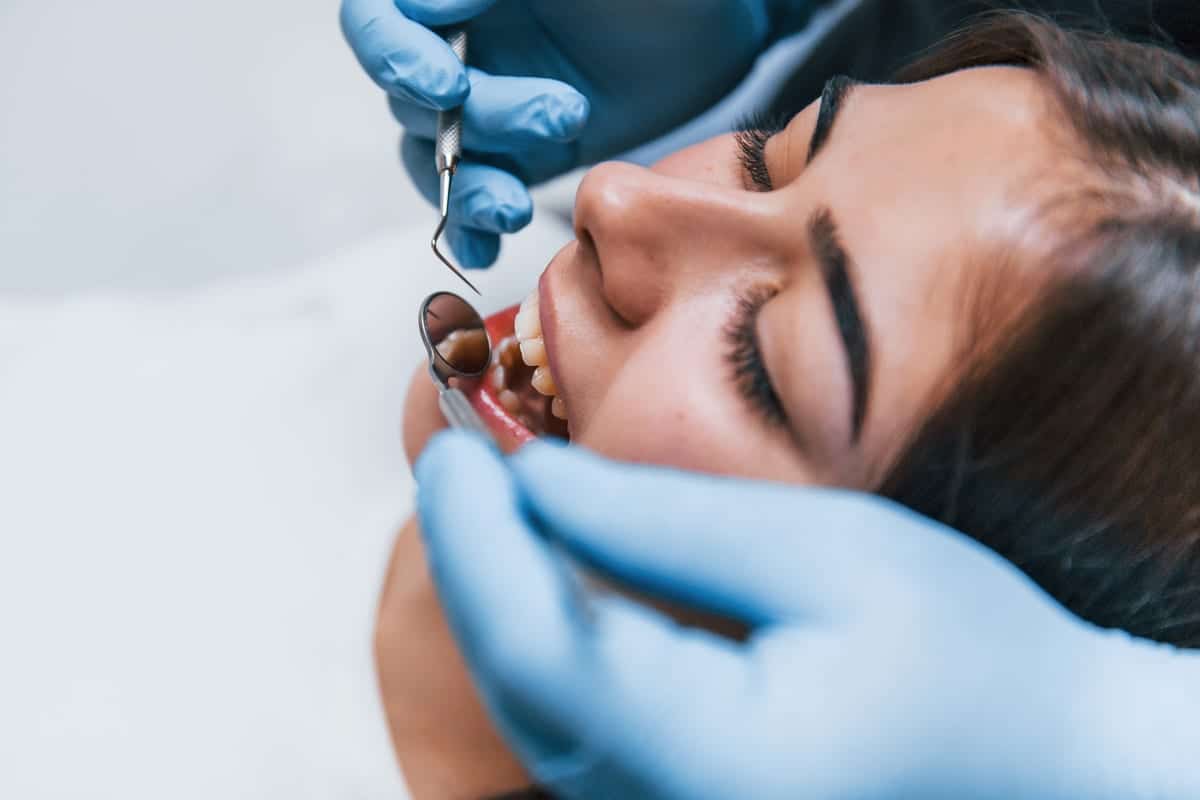
A professional teeth cleaning targets specific types of buildup. Most patients are surprised by how much it actually addresses. Here’s what dental hygienists focus on during your visit.
- Plaque: A soft, sticky film of bacteria that coats your teeth daily. Brushing removes most of it, but a hygienist clears what you miss.
- Tartar (calculus): Hardened plaque that no toothbrush can remove. Only a professional cleaning tool called a scaler can clear it.
- Surface stains: Light discoloration from coffee, tea, or food that sits on the outer enamel. Polishing removes these effectively.
- Bacteria buildup along the gumline: Cleaning reduces harmful bacteria that contribute to gum disease.
Polishing is the final step in most cleanings. It uses a gritty paste that buffs away surface stains. Your teeth often look noticeably brighter — but that brightness comes from removing buildup, not from changing the natural color of your enamel.
What Dental Cleaning in Gainesville Cannot Remove
This is where many patients get confused. A cleaning polishes the surface of your teeth. It does not bleach or alter the internal color of your enamel.
Some stains live deeper than the surface. These are called intrinsic stains. They develop inside the tooth structure itself. Common causes include:
- Long-term coffee, red wine, or tobacco use that has penetrated enamel over years
- Certain medications taken during childhood, such as tetracycline
- Natural aging, which causes enamel to thin and reveal the yellowish dentin beneath
- Trauma to a tooth that has changed its internal color
No amount of polishing removes intrinsic stains. These require professional whitening treatments or cosmetic options. A cleaning simply cannot go that deep into the tooth structure.
How to Tell Which Type of Stain You Have
You don’t need to guess which stains you’re dealing with. Dr. Amatey Wensel can evaluate your teeth and give you a clear answer. That said, there are some helpful signs to watch for at home.
Surface stains tend to appear uneven. They often concentrate where you drink or where food sits longest. They may feel slightly rough to the tongue before a cleaning. After polishing, those areas typically look smoother and lighter.
Intrinsic discoloration looks more uniform. Your entire tooth or multiple teeth may share the same yellowish or grayish tone. Cleaning won’t shift that color noticeably. If your teeth still look yellow after a thorough cleaning, intrinsic staining is likely the reason.
Talking to your hygienist is the easiest way to understand what’s happening. They see your teeth up close and can explain what they observe during your visit.
Why Regular Cleanings Still Matter — Even Without Whitening
Some patients skip cleanings because they want whiter teeth and assume a cleaning won’t deliver that. This thinking can cause real harm over time. Cleanings serve a much bigger purpose than cosmetics.
Removing tartar prevents gum disease. Gum disease is one of the most common dental problems in adults. Left untreated, it can lead to tooth loss. Regular cleanings are one of the most effective ways to prevent it.
Cleanings also help Dr. Wensel catch problems early. Cavities, early gum disease, and even oral cancer screenings happen during these visits. Skipping cleanings means skipping early detection. Early treatment is almost always simpler and less costly than treating advanced problems.
For families with children, keeping up with regular dental visits builds lifelong habits. Pediatric Dentistry Gainesville patients at Saddlebrook start learning healthy routines early. Those habits pay off for decades.
If you’re looking for comprehensive care for every member of your household, Family Dentistry Gainesville at Saddlebrook Dental & Orthodontics makes it easy to keep everyone on track.
What to Do If You Want Whiter Teeth After Your Cleaning
If your teeth still look discolored after a cleaning, you have good options. The first step is asking Dr. Wensel directly at your next appointment. He’ll help identify whether professional whitening makes sense for your specific situation.
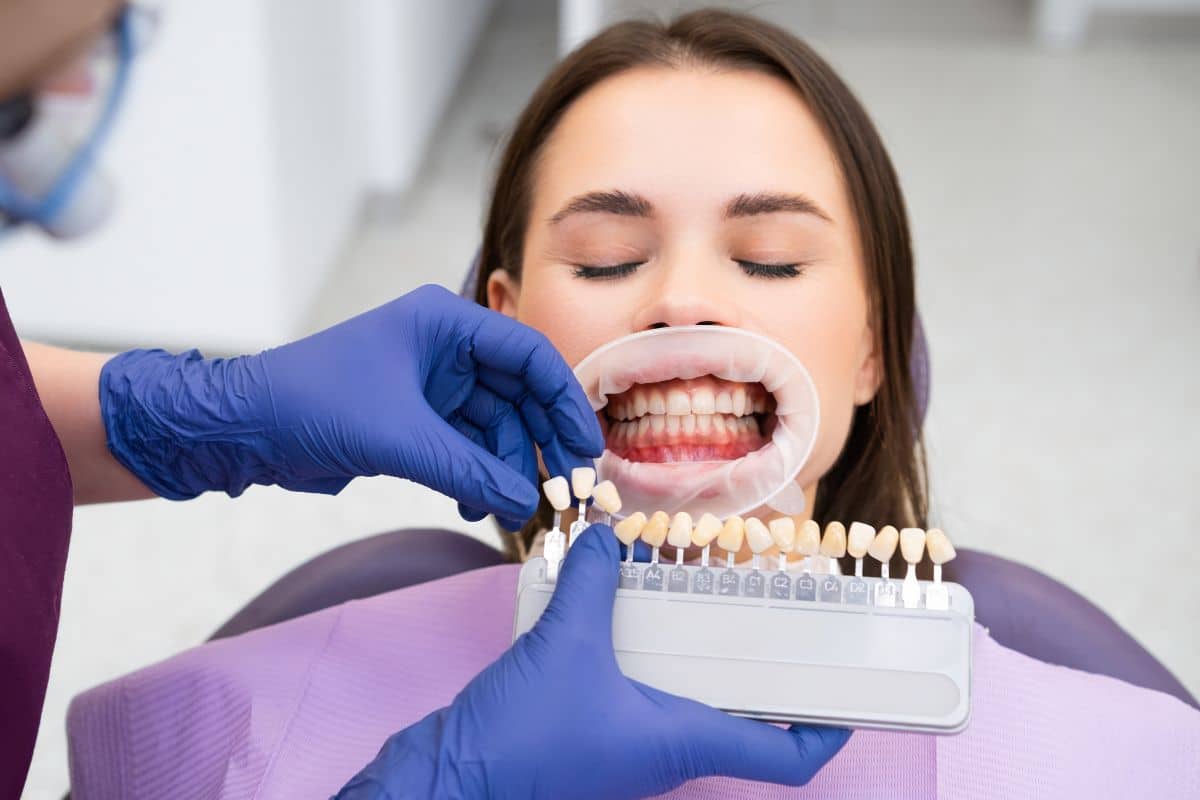
Professional whitening treatments use peroxide-based gels that penetrate enamel. They target intrinsic staining that polishing cannot reach. Over-the-counter strips can help with mild surface discoloration. But professional-grade treatments work faster and more evenly.
Timing matters too. Whitening works best on freshly cleaned teeth. Scheduling whitening shortly after a cleaning gives the gel better contact with clean enamel. Your hygienist can recommend the right sequence for your goals.
It’s also worth adjusting daily habits to protect your results. Drinking coffee through a straw, rinsing after dark beverages, and brushing twice daily all help slow future staining. Small changes add up over time.
Conclusion
Understanding what your dental cleaning actually removes — and what it doesn’t — in Gainesville helps you make smarter decisions about your oral health. Cleanings are essential. They remove plaque, tartar, and surface stains. They protect your gums and give Dr. Wensel a chance to catch problems early. But they don’t whiten teeth from the inside out. If you want a brighter smile beyond what a cleaning provides, professional whitening is the next step to discuss. Book Now to schedule your appointment with our team.
Frequently Asked Questions
Does a dental cleaning whiten your teeth?
A dental cleaning removes surface stains and polishes enamel, which can make teeth look brighter. However, it does not bleach or change the internal color of your teeth. For deeper whitening results, professional whitening treatments are a separate and more effective option.
How often should I get a dental cleaning in Gainesville?
Most patients benefit from a professional cleaning every six months. Some individuals with gum disease or heavy tartar buildup may need cleanings more frequently. Dr. Amatey Wensel will recommend the right schedule based on your specific oral health needs.
What is the difference between surface stains and intrinsic stains?
Surface stains sit on the outer layer of enamel and come from food, drinks, and tobacco. A cleaning can remove them effectively. Intrinsic stains develop inside the tooth structure due to aging, medications, or trauma. These require professional whitening or cosmetic treatment to address.
Can children get their teeth cleaned at Saddlebrook Dental?
Yes. Saddlebrook Dental & Orthodontics offers pediatric dental cleanings for children in Gainesville. Starting cleanings early helps children develop healthy oral hygiene habits and allows the dental team to monitor tooth development over time.
Why do my teeth still look yellow after a cleaning?
If your teeth remain yellow after a thorough cleaning, you likely have intrinsic staining rather than surface buildup. This type of discoloration lives inside the enamel and requires professional whitening treatments. Dr. Wensel can evaluate your teeth and recommend the right next step for your goals.
Tags: dental, Dentist, Gainesville, What Your Dental Cleaning Actually Removes (And What It Doesn't)
Recent Posts

Nov. 10, 2026
Why Your Teeth Cleaning Won’t Remove All Stains
Nov. 10, 2026
What Your Dental Cleaning Actually Removes (And What It Doesn’t)
Oct. 26, 2026
Cosmetic Dentistry: How to Choose the Right Treatment for Your Smile

Oct. 19, 2026
What to Do When a Dental Problem Develops Between Checkups

Oct. 12, 2026
Keep Your Smile Pristine: How to Care for Your Teeth Between Dental Visits
Categories
- Adult Braces (6)
- Cosmetic Dentistry (27)
- Dental Care (41)
- Dental Crown (6)
- Dental Filling (1)
- Dental Health (18)
- Dental Hygiene (7)
- Dental Implant (3)
- Dental Sealants (1)
- Dentist (7)
- Dentures (5)
- Emergency Dentistry (17)
- Family Dentistry (29)
- General Dentistry (24)
- Gum Disease Treatment (4)
- Invisalign (9)
- Laser Teeth Whitening (1)
- Lumineers (1)
- Oral Cancer (1)
- Oral Health (25)
- Orthodontics (32)
- Pediatric Dentistry (13)
- Periodontal Treatment (6)
- Restorative Dentistry (5)
- Root Canal Trearment (2)
- Teeth Whitening (11)
- Tooth Extractions (2)
- Uncategorized (3)
- Veneers (10)
- Veneers & Lumineers (7)
