

July 8, 2024
Teeth Whitening
Everyone wants a bright and white smile, but for those with sensitive teeth, achieving it can be challenging. Teeth whitening is one of the most popular cosmetic dental treatments today, but people with sensitive teeth often avoid it due to fear of pain or discomfort. However, having sensitive teeth doesn’t mean you have to give up on your dream of pearly whites! In this article, we’ll explore some tips and tricks that can help you achieve a brighter smile without causing sensitivity issues. So sit back and get ready to discover the secrets of successful teeth whitening for sensitive teeth!
What Causes Sensitive Teeth?
Sensitive teeth are a common dental problem that affects many people. It occurs when the enamel on your teeth wears down or gets damaged, exposing the sensitive dentin layer underneath. There can be various reasons for this to happen.
One of the main causes of sensitive teeth is tooth decay or cavities. When left untreated, cavities erode and weaken the tooth structure, leading to sensitivity. Gum disease is another cause of sensitivity as it damages the gum tissue and bone that supports your teeth.
Brushing too hard with a hard-bristled brush can damage your enamel over time and lead to sensitivity issues. Also, grinding or clenching your teeth may wear down their protective layers causing them to become more sensitive than usual.
Other factors like acidic foods or drinks, and hot/cold temperature exposure can also trigger sensitivity in some cases. It’s essential to identify what triggers pain in your mouth so you can avoid those things and take measures accordingly.
Several factors contribute to sensitive teeth ranging from poor oral hygiene practices such as brushing too hard, and lifestyle habits like grinding/clenching teeth at night among others.
Is Teeth Whitening Possible For Sensitive Teeth?
Sensitive teeth can make it difficult to enjoy certain foods and drinks, let alone undergo any kind of dental procedure. So the question is, is teeth whitening possible for sensitive teeth? The answer is yes, but caution must be taken.
Teeth whitening products contain chemicals that penetrate tooth enamel to remove stains. For those with sensitive teeth, this process can cause discomfort or pain. However, there are options available that cater specifically to individuals with sensitivity issues.
One option is using a low concentration of hydrogen peroxide in at-home whitening kits. This allows for a gentler approach without compromising results. Another option is opting for professional in-office treatments where dentists use desensitizing agents before applying the whitening solution.
It’s important to note that not all cases of sensitivity are the same and consulting with a dentist beforehand is recommended. They will assess your individual case and recommend the best course of action.
While sensitive teeth may present challenges when it comes to teeth whitening procedures, there are still viable options available for achieving a brighter smile without causing unnecessary discomfort or pain.
Tips for Teeth Whitening for Sensitive Teeth
If you have sensitive teeth, the thought of whitening them may be daunting. But fear not! There are some tips and tricks that can help make teeth whitening a pain-free process.
It’s important to choose the right product for your sensitivity level. Look for products specially formulated for sensitive teeth, such as those containing potassium nitrate or sodium fluoride.
Another tip is to use low-concentration bleaching agents. While these may take longer to achieve desired results, they’re less likely to cause discomfort or pain during treatment.
It’s also essential to avoid acidic foods and drinks like citrus fruits and sodas as these can exacerbate tooth sensitivity. Instead, opt for alkaline foods such as leafy greens which are known to neutralize acidity in the mouth.
Consider using desensitizing toothpaste before and after treatment sessions. These contain ingredients like strontium chloride which work by blocking nerve signals from reaching the brain – reducing any potential discomfort during whitening sessions.
By following these tips and tricks for teeth whitening with sensitive teeth, you’ll be able to achieve a brighter smile without sacrificing comfort or dental health!
Best Products for Teeth Whitening
When it comes to teeth whitening for sensitive teeth, choosing the right products is crucial. There are a variety of options available on the market, but not all of them are suitable for those with sensitive teeth.
One product to consider is a whitening toothpaste specifically designed for sensitive teeth. These types of toothpaste typically contain potassium nitrate or stannous fluoride which helps reduce sensitivity while still providing effective whitening results.
Another option is using whitening strips that are formulated for sensitive teeth. These strips have lower levels of peroxide and can be used more frequently than traditional strips without causing discomfort.
For those who prefer natural remedies, activated charcoal powder has become a popular choice due to its ability to remove surface stains without being harsh on enamel or causing sensitivity.
Professional treatments such as in-office bleaching or take-home kits from your dentist may provide the best and safest results for those with sensitive teeth. However, they can come at a higher cost compared to over-the-counter options.
It’s important to consult with your dentist before starting any new whitening regimen and choose products that cater specifically to your individual needs and level of sensitivity.
Conclusion
Whitening your teeth can be a great way to boost your confidence and achieve a brighter, more beautiful smile. However, for those with sensitive teeth, the process of teeth whitening can be painful and uncomfortable. Fortunately, there are several tips and tricks that you can use to whiten your teeth without causing sensitivity. By choosing the right products, taking proper precautions before and after treatment, and following a consistent oral care routine, you can safely achieve the bright white smile you’ve always wanted.
Remember that it’s important to consult with your dentist if you have any concerns about tooth sensitivity or other dental issues before attempting any kind of whitening treatment. With their guidance and some careful planning on your part, you’ll soon be able to enjoy the benefits of having a sparkling smile!
Tags:
Recent Posts

Oct. 12, 2026
Keep Your Smile Pristine: How to Care for Your Teeth Between Dental Visits
Sep. 28, 2026
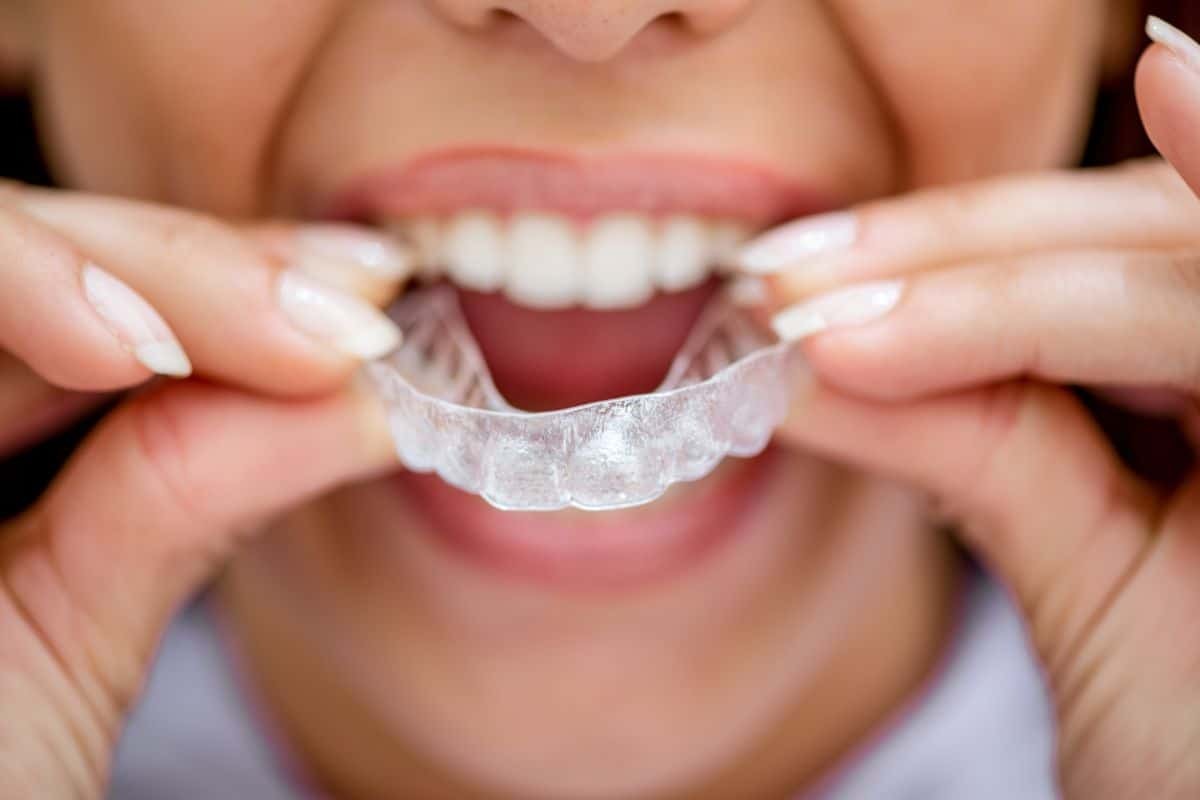
Adult Braces Gainesville: How to Prepare for Orthodontic Treatment
Sep. 21, 2026
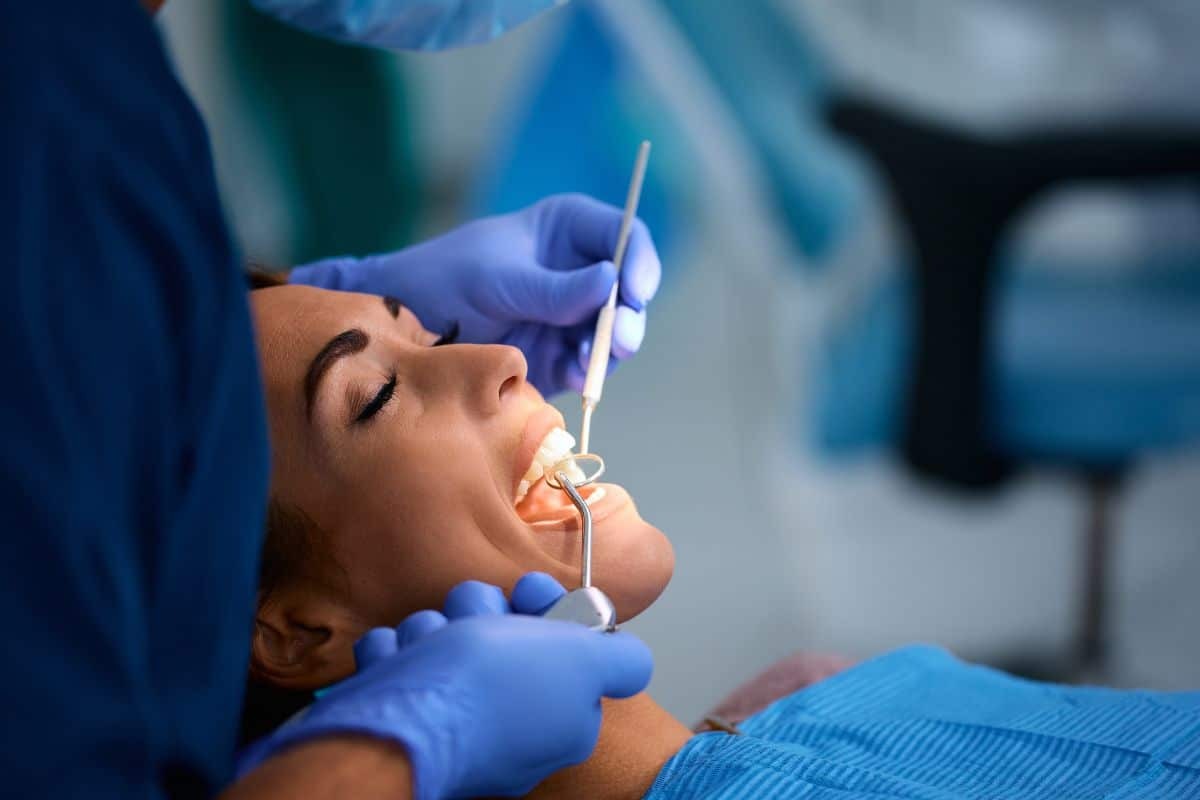
Dentist Gainesville: What to Expect at Your First Visit

Sep. 14, 2026
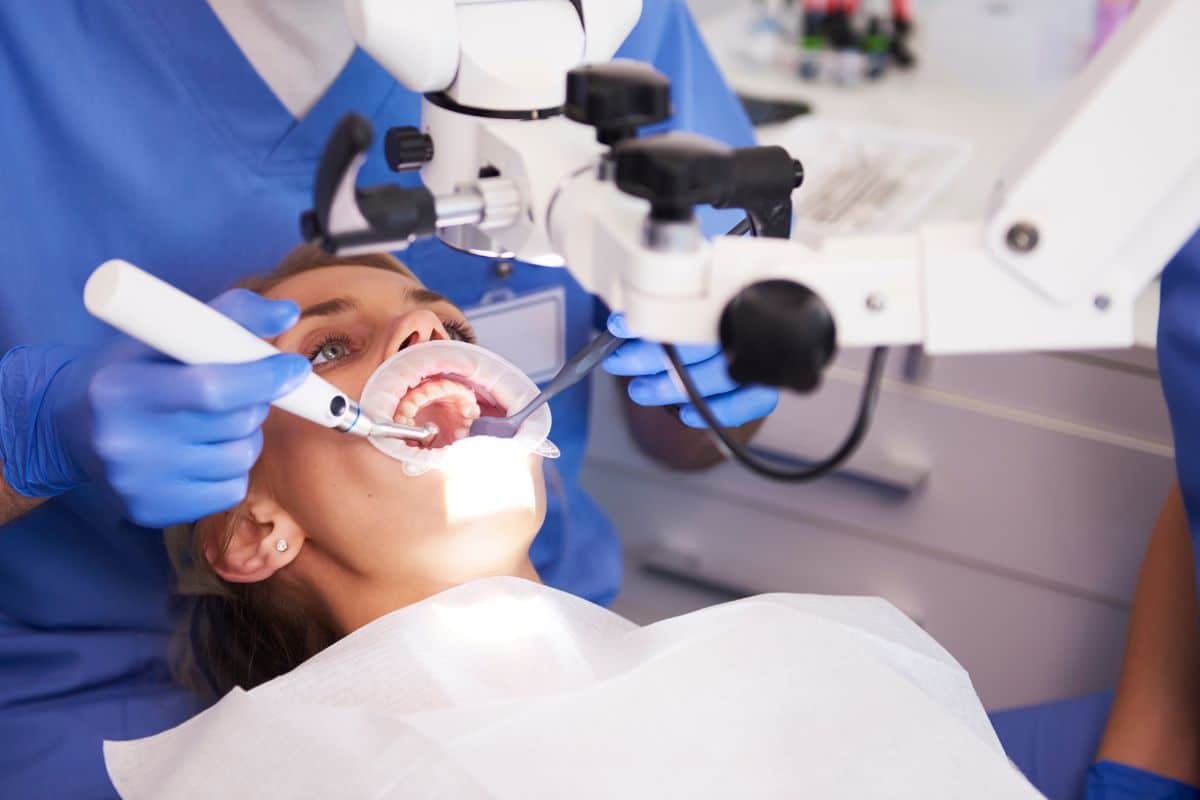
Gainesville Dentists: How to Compare Your Local Dental Options
Sep. 07, 2026
Dentist Near Me: 9 Things to Check Before Choosing a Dental Practice
Categories
- Adult Braces (6)
- Cosmetic Dentistry (26)
- Dental Care (41)
- Dental Crown (6)
- Dental Filling (1)
- Dental Health (16)
- Dental Hygiene (7)
- Dental Implant (3)
- Dental Sealants (1)
- Dentist (5)
- Dentures (5)
- Emergency Dentistry (17)
- Family Dentistry (29)
- General Dentistry (24)
- Gum Disease Treatment (4)
- Invisalign (9)
- Laser Teeth Whitening (1)
- Lumineers (1)
- Oral Cancer (1)
- Oral Health (25)
- Orthodontics (32)
- Pediatric Dentistry (13)
- Periodontal Treatment (6)
- Restorative Dentistry (5)
- Root Canal Trearment (2)
- Teeth Whitening (11)
- Tooth Extractions (2)
- Uncategorized (3)
- Veneers (10)
- Veneers & Lumineers (7)
