
November 5, 2025
Orthodontics
As parents, we cherish those first toothy grins and watch eagerly as our kids’ smiles evolve. Yet, subtle shifts in their teeth or bite can spark questions about their dental health. Spotting early signs of misalignment isn’t always straightforward, but catching them soon can make a big difference. This guide walks you through key indicators, helping you decide if it’s time for professional input. We’ll cover common concerns in a way that’s easy to grasp, drawing on expert knowledge to empower your choices.
Understanding Orthodontic Care for Kids
Orthodontists specialize in aligning teeth and jaws. They go beyond general dentistry to fix issues that affect chewing, speaking, and overall facial growth. Many parents assume orthodontic treatment waits until the teen years. Not so. The American Association of Orthodontists suggests a first check-up by age 7. At this stage, kids have a mix of baby and permanent teeth. An expert can spot developing problems early.
Early intervention often simplifies later fixes. It can guide jaw growth and make space for incoming teeth. Think of it as proactive care for a lifetime of healthy smiles. Ignoring subtle issues might lead to more complex treatments down the road. But with timely attention, outcomes improve dramatically.
Key Signs of Potential Orthodontic Issues
Look for visible clues in your child’s mouth. Crowded or crooked teeth stand out as a top red flag. Teeth overlapping or twisting suggest limited jaw space. Gaps between teeth can also signal problems, especially if uneven.
Bite irregularities deserve attention too. An overbite happens when upper teeth jut far over the lower ones. An underbite reverses this, with lower teeth protruding. Crossbites occur when some upper teeth sit inside the lower ones during biting. These can cause uneven wear and jaw strain.
Watch how your child eats or speaks. Difficulty chewing or frequent biting of cheeks points to misalignment. Speech challenges, like lisping, might stem from tooth positioning. Mouth breathing or prolonged thumb sucking beyond age 5 can shift teeth and jaws.
Jaw sounds or shifting during opening and closing are concerning. Early or late loss of baby teeth disrupts the natural sequence. If permanent teeth erupt too soon or delay, spacing issues may arise.
Benefits of Early Detection and Treatment
Acting early prevents minor problems from escalating. Orthodontists can use simple appliances to guide growth. This often shortens overall treatment time. Kids gain confidence from straighter smiles sooner.
Research shows early evaluations lead to better long-term results. They reduce risks of tooth decay in crowded areas. Aligned teeth are easier to clean, promoting oral health. Plus, proper bites support clear speech and efficient eating.
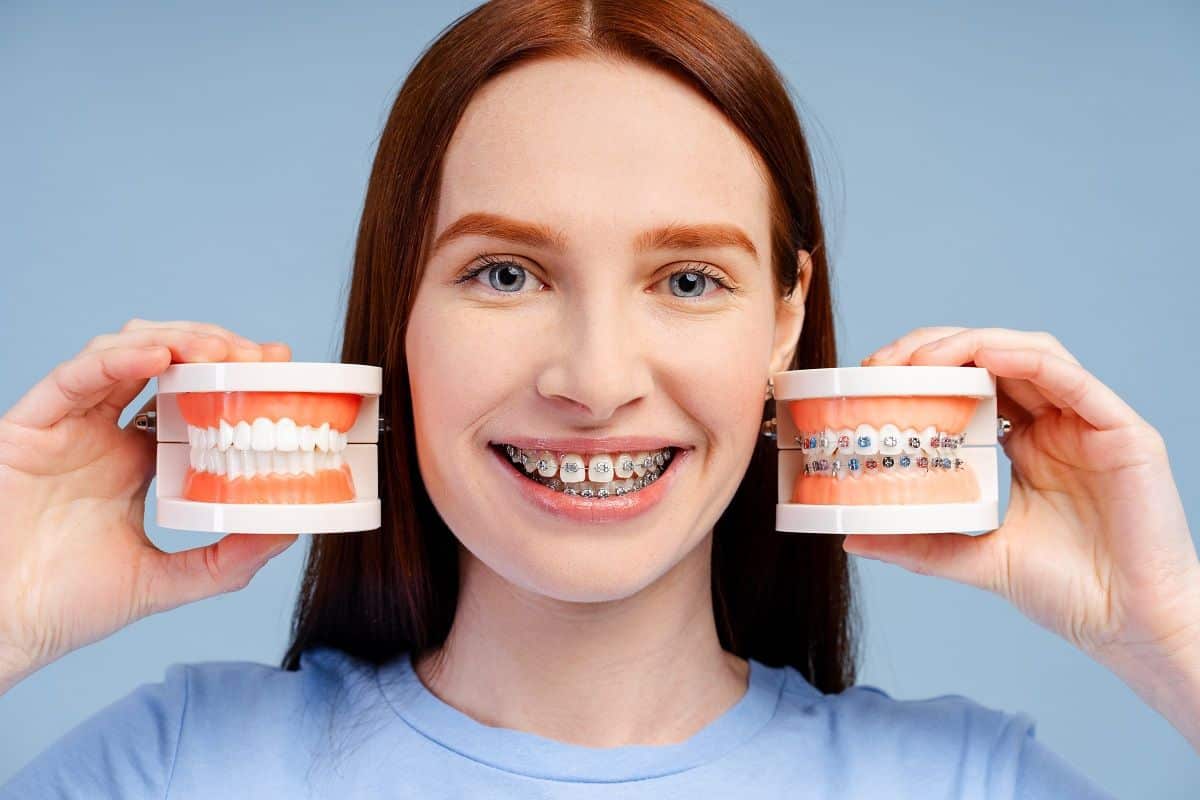
In communities like ours, access to skilled care makes a difference. Families often find tailored options that fit their needs. For instance, traditional methods remain popular for effective alignment.
What Happens During an Orthodontic Evaluation?
The first visit is low-key and informative. Your child gets a thorough exam, including X-rays if needed. The orthodontist assesses teeth, jaws, and facial structure. They’ll discuss any findings openly.
Expect questions about habits like thumb sucking or family dental history. No treatment starts right away unless urgent. Instead, you’ll get a plan outline. This might include monitoring or starting with basic interventions.
Parents leave feeling informed and at ease. It’s a chance to ask about phases of care. Many kids enjoy the process, seeing it as a step toward a cooler smile.
Trending FAQs on Children’s Orthodontic Needs
Parents often search for quick answers on this topic. Based on common Google queries, here are some frequently asked questions with clear responses:
- What age should a child first see an orthodontist? Experts recommend around age 7. This allows spotting issues while jaws are still growing, even if treatment starts later.
- How can I tell if my child has an overbite or underbite? Check if upper teeth overlap lower ones excessively (overbite) or if lower teeth extend beyond upper (underbite). A professional exam confirms it.
- Does thumb sucking really affect teeth? Yes, if it continues past age 5. It can push teeth forward and alter jaw shape, potentially requiring correction.
- What if my child loses baby teeth early? Early loss might cause shifting and crowding. Late loss can delay permanent teeth. An evaluation helps manage this.
- Are speech problems linked to orthodontic issues? Often, yes. Misaligned teeth or jaws can cause lisps or other impediments. Addressing alignment may improve clarity.
These cover top concerns, but a personalized consult provides the best guidance.
Statistics on Orthodontic Treatment in Children
Here’s a quick look at key data to put things in perspective:
| Statistic | Detail |
|---|---|
| Percentage of U.S. children needing braces | 50-70% |
| Annual new orthodontic patients among kids and teens | About 3.5 million |
| Children requiring treatment for functional bite issues | Roughly 45% |
| Ideal age range for starting comprehensive treatment | 11-14 years |
These numbers highlight how common these needs are. Early awareness leads to timely action.
Orthodontic care evolves with options like clear aligners alongside classics. In areas with growing families, demand for such services rises. Parents appreciate providers who focus on comfort and results.
For those exploring braces treatment in Gainesville, TX, local orthodontists offer comprehensive approaches. They emphasize gentle techniques suited for young patients.
Regular dental check-ups play a key role too. Your orthodontist spots early signs and refers when needed.
If concerns arise, don’t hesitate. Contact us for insights tailored to your child’s situation.
Chat with your orthodontist in Gainesville, TX, during routine visits. They can guide you on next steps in a relaxed way.
Taking action now sets up your child for success. A confident smile boosts self-esteem in school and beyond.
In conclusion, recognizing signs early empowers you as a parent. Trust your instincts and seek expert advice. Reach out to schedule an appointment today for peace of mind and a brighter future.
Tags:
Recent Posts

Oct. 12, 2026
Keep Your Smile Pristine: How to Care for Your Teeth Between Dental Visits
Sep. 28, 2026
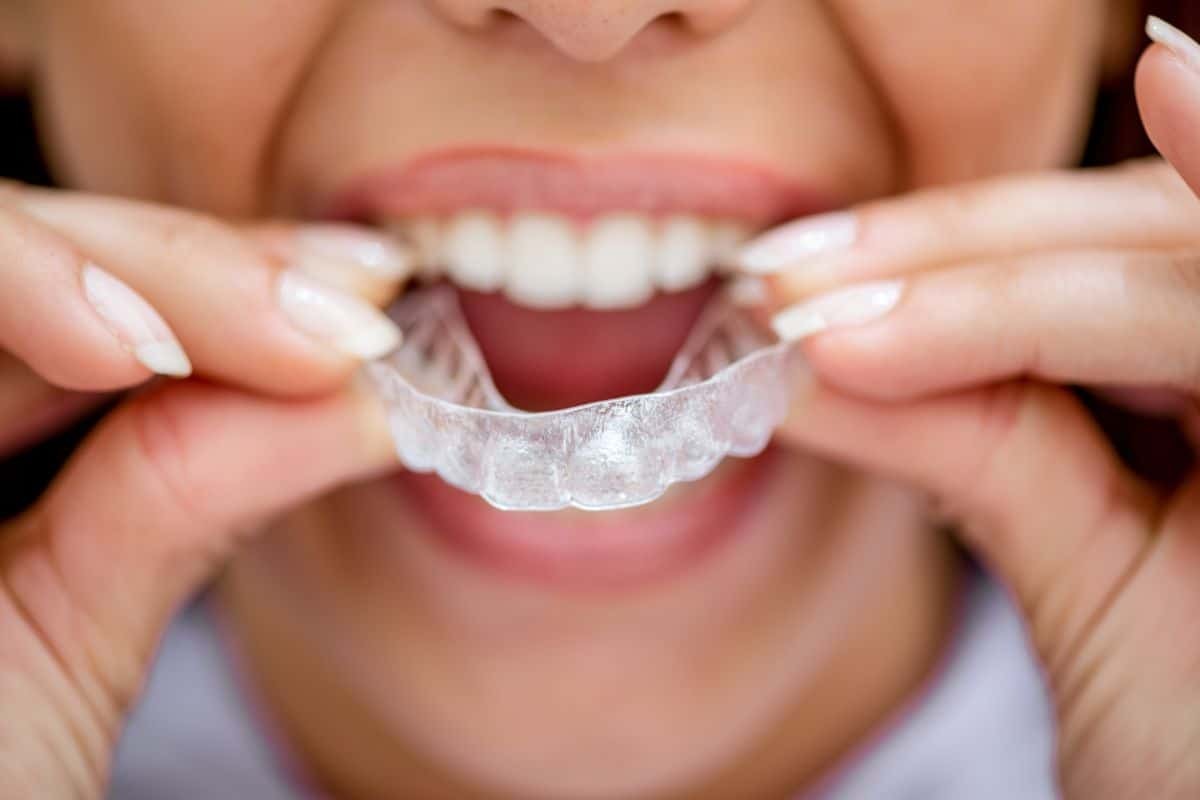
Adult Braces Gainesville: How to Prepare for Orthodontic Treatment
Sep. 21, 2026
Dentist Gainesville: What to Expect at Your First Visit

Sep. 14, 2026
Gainesville Dentists: How to Compare Your Local Dental Options
Sep. 07, 2026
Dentist Near Me: 9 Things to Check Before Choosing a Dental Practice
Categories
- Adult Braces (6)
- Cosmetic Dentistry (26)
- Dental Care (41)
- Dental Crown (6)
- Dental Filling (1)
- Dental Health (16)
- Dental Hygiene (7)
- Dental Implant (3)
- Dental Sealants (1)
- Dentist (5)
- Dentures (5)
- Emergency Dentistry (17)
- Family Dentistry (29)
- General Dentistry (24)
- Gum Disease Treatment (4)
- Invisalign (9)
- Laser Teeth Whitening (1)
- Lumineers (1)
- Oral Cancer (1)
- Oral Health (25)
- Orthodontics (32)
- Pediatric Dentistry (13)
- Periodontal Treatment (6)
- Restorative Dentistry (5)
- Root Canal Trearment (2)
- Teeth Whitening (11)
- Tooth Extractions (2)
- Uncategorized (3)
- Veneers (10)
- Veneers & Lumineers (7)
