
September 28, 2026
Adult Braces
Starting orthodontic treatment as an adult can feel very different from getting braces as a teenager. You may be balancing work, family responsibilities, social commitments, and concerns about how treatment will fit into your daily routine.
The good news is that age alone does not prevent orthodontic treatment. The American Association of Orthodontists reports that one in three orthodontic patients is an adult, and adults can benefit from orthodontic treatment for both appearance and oral function.
If you are considering adult braces in Gainesville, knowing how to prepare can help you feel more confident and ready for orthodontic treatment.
Why Are More Adults Choosing Orthodontic Treatment?
Adults pursue orthodontic treatment for different reasons.
Some want to straighten teeth that have always been crowded or uneven. Others notice that their teeth have shifted over time. Some adults seek treatment because misalignment makes brushing and flossing more difficult or contributes to bite-related problems.
Orthodontic treatment is not exclusively cosmetic. Misaligned teeth can contribute to difficulty cleaning, uneven tooth wear, and certain bite problems.
The right reason to begin treatment is personal. What matters is having your dental and orthodontic needs properly evaluated.
Start With a Complete Oral-Health Evaluation
Before moving teeth, your dentist or orthodontic provider needs to understand the condition of your mouth.
Existing cavities, gum disease, damaged teeth, or other dental concerns may need to be addressed before orthodontic treatment begins.
This is especially important for adults because many have a longer history of dental restorations, missing teeth, or periodontal concerns than younger patients. The AAO notes that adult orthodontic treatment often requires consideration of existing oral-health conditions before tooth movement begins.
Healthy gums are particularly important.
The AAO explains that moving teeth when periodontal health is poor can increase the risk of problems such as gum recession, root shortening, or tooth loss.
Understand Your Orthodontic Problem
“Crooked teeth” is not a complete diagnosis.
Your orthodontic evaluation may identify:
- Crowding
- Spacing
- Overbite
- Underbite
- Open bite
- Crossbite
- Tooth rotation
- Bite irregularities
The treatment plan should address the underlying alignment and bite issues rather than simply making the front teeth appear straighter.
The AAO explains that braces can address crooked and crowded teeth as well as various bite and alignment problems.
Discuss Your Treatment Options
Adults today have more orthodontic options than previous generations.
Depending on your case, options may include:
Traditional Braces
Traditional braces use brackets and wires to gradually move teeth into planned positions. They remain attached during treatment and can address a broad range of orthodontic problems.
Clear or Ceramic Braces
Clear or tooth-colored brackets can provide a less noticeable appearance while using the same basic orthodontic principles.
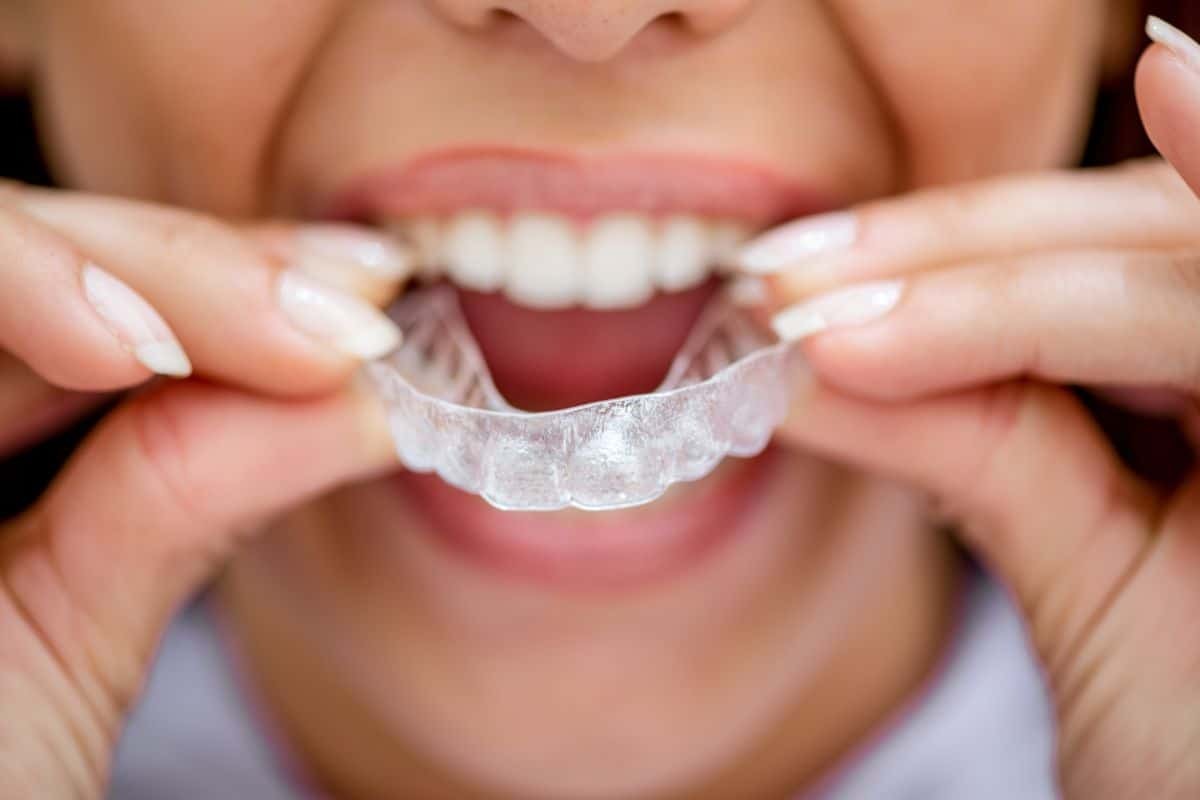
Clear Aligners
Clear aligners are removable trays designed to gradually move teeth. They can be convenient for adults who want a more discreet option, but they are not appropriate for every orthodontic problem.
The AAO emphasizes that treatment choice should follow diagnosis. A preferred appliance may not be the most suitable option for every patient.
Think About Your Daily Routine
Adult orthodontic treatment needs to fit into real life.
Before starting, consider how treatment will affect:
- Work meetings
- Travel
- Meals
- Oral hygiene
- Exercise
- Social events
- Dental appointments
If you travel frequently for work, for example, ask how often you will need in-office appointments and how the practice handles scheduling.
If you participate in sports, ask whether you need a specific orthodontic mouthguard.
Planning these details ahead of time can make treatment easier to manage.
Prepare for Better Oral Hygiene
Braces create additional areas where plaque and food can collect.
That means brushing and cleaning between teeth become especially important during treatment.
Your orthodontic team can show you how to clean around brackets, wires, and other appliances. You may need tools such as orthodontic toothbrushes, floss threaders, interdental brushes, or other cleaning aids.
Do not assume that orthodontic treatment replaces routine dental care. Your general dentist remains an important part of maintaining your teeth and gums while your teeth are being moved.
Be Ready to Adjust Your Diet
You do not necessarily have to abandon every favorite food.
However, traditional braces require care with hard, sticky, or chewy foods because they can damage brackets or wires.
Foods that commonly require caution include:
- Hard candies
- Chewy candy
- Ice
- Very hard nuts
- Foods that require biting directly into hard surfaces
Your orthodontic provider will give you specific dietary instructions based on your appliance.
Understand That Treatment Takes Time
Adults often ask how quickly they can finish orthodontic treatment.
There is no universal timeline.
Treatment duration depends on the severity of the orthodontic problem, treatment method, patient cooperation, biology, and other factors. The AAO notes that adult treatment can sometimes take longer because adult bone is more mature, although treatment remains effective.
Be cautious about choosing a treatment solely because someone promises an unusually short timeline.
An appropriate treatment plan should prioritize the desired result and the health of your teeth and supporting tissues.
Retainers Are Part of Treatment
Getting your braces removed is not necessarily the end of orthodontic care.
Teeth can shift after active orthodontic treatment, which is why retainers are used to help maintain the results.
Your orthodontic provider will explain how and when to wear your retainer.
Following those instructions is an important part of protecting the investment you have made in your smile.
Questions to Ask Before Getting Adult Braces
Bring a written list to your consultation.
Consider asking:
- What orthodontic problem are we treating?
- Do I have any cavities or gum problems that need treatment first?
- Which treatment options are appropriate for me?
- Why do you recommend this appliance?
- How long might treatment take?
- How often will I need appointments?
- What foods should I avoid?
- How should I clean my teeth?
- Will I need a retainer afterward?
- What happens if a bracket or wire breaks?
Clear answers can help you understand what the treatment will require before you commit.
Adult Orthodontics in Gainesville
Adults do not have to put off orthodontic treatment simply because they did not have braces when they were younger.
The first step is an evaluation.
At Saddlebrook Dental & Orthodontics in Gainesville, TX, patients can discuss orthodontic treatment options and determine which approach fits their dental health, alignment concerns, and lifestyle.
If you are researching adult braces in Gainesville, schedule a consultation and bring your questions. A personalized evaluation can help you understand your options and what treatment may look like for your smile.
FAQs
Am I too old to get adult braces?
No. Age alone does not prevent adults from receiving orthodontic treatment. The AAO states that orthodontic treatment can be successful for adults as well as younger patients.
Do adults need a dental exam before getting braces?
Yes. Your oral health should be evaluated before tooth movement begins. Cavities, gum disease, or other conditions may need to be addressed first.
Are clear braces better than traditional braces for adults?
Not necessarily. Clear braces can provide a less noticeable appearance, but the best appliance depends on the orthodontic problem being treated and your treatment goals.
How long do adult braces take?
Treatment time varies by case. The complexity of tooth movement, appliance type, patient cooperation, and individual biology can all affect the timeline.
Will I need to wear a retainer after braces?
Retainers are commonly used after orthodontic treatment to help maintain tooth position. Your orthodontic provider will give you specific instructions about retainer wear.
Tags:
Recent Posts

Oct. 12, 2026
Keep Your Smile Pristine: How to Care for Your Teeth Between Dental Visits
Sep. 28, 2026
Adult Braces Gainesville: How to Prepare for Orthodontic Treatment
Sep. 21, 2026
Dentist Gainesville: What to Expect at Your First Visit
Sep. 14, 2026
Gainesville Dentists: How to Compare Your Local Dental Options
Sep. 07, 2026
Dentist Near Me: 9 Things to Check Before Choosing a Dental Practice
Categories
- Adult Braces (6)
- Cosmetic Dentistry (26)
- Dental Care (41)
- Dental Crown (6)
- Dental Filling (1)
- Dental Health (16)
- Dental Hygiene (7)
- Dental Implant (3)
- Dental Sealants (1)
- Dentist (5)
- Dentures (5)
- Emergency Dentistry (17)
- Family Dentistry (29)
- General Dentistry (24)
- Gum Disease Treatment (4)
- Invisalign (9)
- Laser Teeth Whitening (1)
- Lumineers (1)
- Oral Cancer (1)
- Oral Health (25)
- Orthodontics (32)
- Pediatric Dentistry (13)
- Periodontal Treatment (6)
- Restorative Dentistry (5)
- Root Canal Trearment (2)
- Teeth Whitening (11)
- Tooth Extractions (2)
- Uncategorized (3)
- Veneers (10)
- Veneers & Lumineers (7)
