
August 27, 2026
Orthodontics
Choosing orthodontic treatment is about more than deciding between metal braces and clear aligners. An orthodontist in Gainesville first needs to understand how your teeth, bite, and jaws fit together.
Two people can have teeth that look similarly crowded but require very different treatment plans.
At Saddlebrook Dental & Orthodontics, orthodontic treatment options include traditional metal braces, clear braces, and clear aligners, with treatment plans based on the patient’s needs and goals.
What Does an Orthodontist Evaluate?
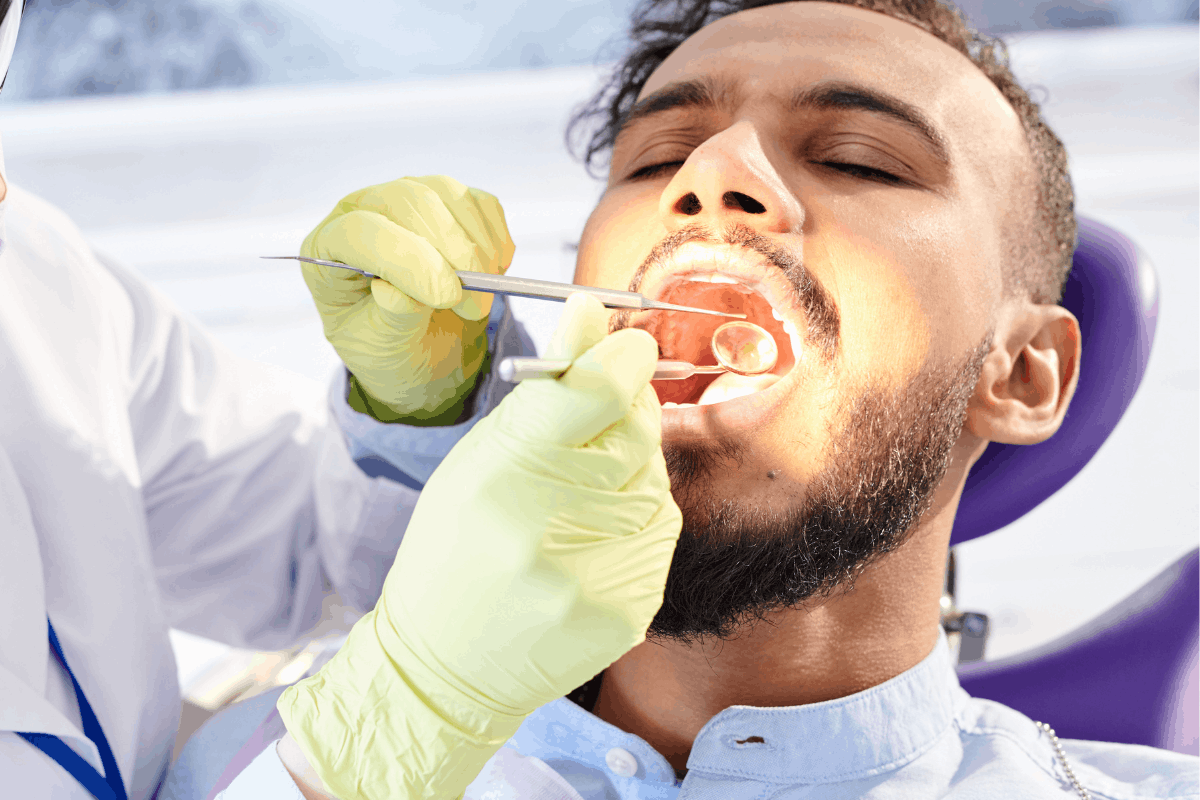
Before recommending treatment, an orthodontist looks at more than crooked teeth.
The evaluation may consider:
- Tooth position
- Crowding and spacing
- Bite alignment
- Jaw relationship
- Age and dental development
- Oral health
- Treatment goals
- Expected cooperation with treatment
Digital imaging and other diagnostic information can help the orthodontic team understand what is happening beneath the visible smile.
Why Your Bite Matters
A straight-looking smile is only part of orthodontic health.
Problems such as an overbite, underbite, crossbite, or significant crowding can affect how your upper and lower teeth come together.
Orthodontic treatment aims to move teeth gradually into healthier positions. Proper alignment can also make brushing and flossing easier in areas where crowded teeth are difficult to clean.
Traditional Braces Still Have an Important Role
Traditional metal braces remain a reliable option for many orthodontic patients.
Brackets are attached to the teeth and connected with archwires that apply controlled forces. The orthodontist periodically adjusts the system as the teeth move.
Modern braces are designed to be more comfortable than older systems, and patients can personalize some treatments with colored elastics.
Are Clear Braces Better for Adults?
Clear or ceramic braces can provide an alternative for patients who want a less noticeable appearance.
They work using the same basic orthodontic principle as traditional braces: controlled forces gradually move teeth toward planned positions.
Clear braces may be particularly appealing to teens and adults who are concerned about the appearance of metal brackets. Saddlebrook Dental’s orthodontic service page lists clear braces as one of its available treatment approaches.
When Might Clear Aligners Be Considered?
Clear aligners use a series of removable trays to gradually move teeth.
Because they can be removed, patients can take them out for eating and routine brushing and flossing. However, successful treatment depends heavily on wearing the aligners according to the orthodontist’s instructions.
Not every orthodontic problem is best treated with aligners. The right choice depends on the individual diagnosis.
How Long Does Orthodontic Treatment Take?
There isn’t one treatment timeline that applies to everyone.
Treatment length depends on factors such as:
- The complexity of tooth movement
- Age
- Type of orthodontic appliance
- Severity of the bite problem
- Patient cooperation
Saddlebrook Dental notes that orthodontic treatment can range from approximately six months to three years depending on the patient and treatment approach.
When Should a Child See an Orthodontist?
Parents don’t necessarily need to wait until every permanent tooth has erupted before asking about orthodontic evaluation.
An orthodontic assessment can help identify developing alignment or bite concerns and determine whether observation, early intervention, or later treatment makes sense.
For some children, early evaluation provides useful information even when immediate treatment isn’t necessary.
Adults Can Benefit From Orthodontic Treatment, Too
Orthodontic treatment isn’t limited to teenagers.
Adults may seek treatment because they want to correct crowding, spacing, bite problems, or changes that have developed over time.
The important question isn’t whether you’re “too old” for orthodontics. It’s whether your teeth and gums are healthy enough and whether the proposed treatment is appropriate for your needs.
Conclusion
The best orthodontic treatment isn’t necessarily the most popular option. It’s the treatment that fits your teeth, bite, oral health, lifestyle, and goals.
An orthodontic consultation gives you an opportunity to understand your options before committing to treatment.
If you’re considering orthodontics in Gainesville, TX, Saddlebrook Dental & Orthodontics offers traditional braces, clear braces, and clear aligner options for eligible patients.
Schedule an orthodontic consultation to learn which approach may be appropriate for your smile.
FAQs
- What does an orthodontist do?
An orthodontist evaluates tooth and bite alignment and uses appliances such as braces or clear aligners to gradually move teeth into planned positions. - Are clear aligners appropriate for everyone?
No. Clear aligners work well for many patients, but treatment suitability depends on the type and complexity of the orthodontic problem. - Can adults see an orthodontist in Gainesville?
Yes. Adults can receive orthodontic treatment when their teeth and supporting tissues are healthy and the treatment is appropriate for their needs. - How long does orthodontic treatment take?
Treatment time varies. Factors include age, treatment method, and the complexity of tooth movement. Individual treatment estimates should come from an orthodontic evaluation. - When should my child have an orthodontic evaluation?
The appropriate timing depends on dental development and individual concerns. An orthodontist can evaluate your child’s teeth and bite and recommend monitoring or treatment when appropriate.
Tags:
Recent Posts

Oct. 12, 2026
Keep Your Smile Pristine: How to Care for Your Teeth Between Dental Visits
Sep. 28, 2026
Adult Braces Gainesville: How to Prepare for Orthodontic Treatment
Sep. 21, 2026
Dentist Gainesville: What to Expect at Your First Visit

Sep. 14, 2026
Gainesville Dentists: How to Compare Your Local Dental Options
Sep. 07, 2026
Dentist Near Me: 9 Things to Check Before Choosing a Dental Practice
Categories
- Adult Braces (6)
- Cosmetic Dentistry (26)
- Dental Care (41)
- Dental Crown (6)
- Dental Filling (1)
- Dental Health (16)
- Dental Hygiene (7)
- Dental Implant (3)
- Dental Sealants (1)
- Dentist (5)
- Dentures (5)
- Emergency Dentistry (17)
- Family Dentistry (29)
- General Dentistry (24)
- Gum Disease Treatment (4)
- Invisalign (9)
- Laser Teeth Whitening (1)
- Lumineers (1)
- Oral Cancer (1)
- Oral Health (25)
- Orthodontics (32)
- Pediatric Dentistry (13)
- Periodontal Treatment (6)
- Restorative Dentistry (5)
- Root Canal Trearment (2)
- Teeth Whitening (11)
- Tooth Extractions (2)
- Uncategorized (3)
- Veneers (10)
- Veneers & Lumineers (7)
