
August 7, 2026
Dentist
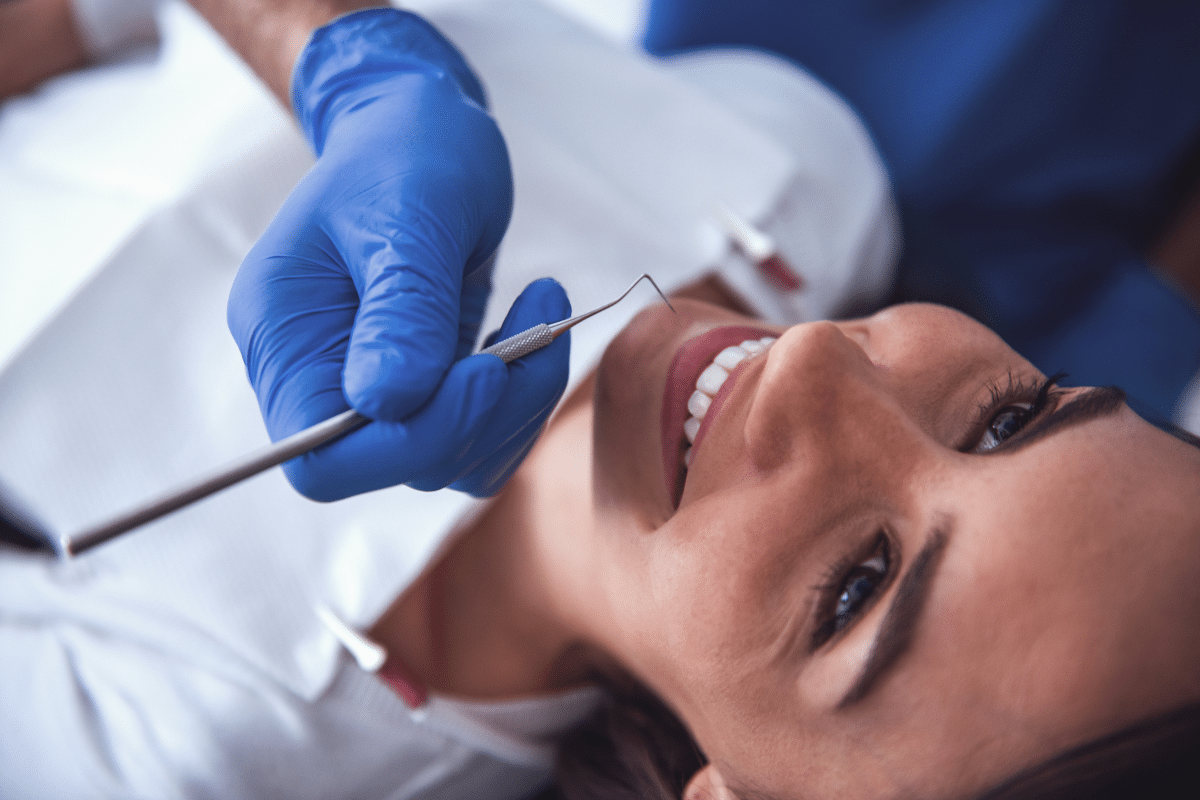
Most people visit the dentist expecting a cleaning, cavity check, or advice about brushing and flossing. While those services are essential, your dental appointment can reveal much more than the condition of your teeth.
Your mouth often reflects changes happening throughout your body. During a comprehensive dental exam, a dentist can identify early signs of medical conditions, nutritional deficiencies, infections, and even certain types of cancer. Recognizing these issues early may help you seek medical care before symptoms become more serious.
At Saddlebrook Dental & Orthodontics, routine dental visits are designed to protect your oral health while supporting your overall well-being. For families in Gainesville, TX, preventive dental care plays an important role in maintaining a healthy smile and identifying concerns that deserve further evaluation.
Why Your Mouth Says More Than You Think
Your mouth is connected to nearly every system in your body. Changes in your gums, tongue, teeth, saliva, and soft tissues can sometimes be the first indication that something isn’t quite right.
During a routine exam, your dentist evaluates more than just cavities. They also assess:
- Gum health
- Soft tissues inside the mouth
- Bite alignment
- Jaw function
- Salivary flow
- Tongue appearance
- Existing dental restorations
- Signs of infection or inflammation
Because many health conditions affect the mouth before they cause noticeable symptoms elsewhere, routine dental exams provide an additional layer of preventive healthcare.
Oral Cancer Screening Can Save Lives
One of the most valuable parts of a dental examination is an oral cancer screening.
Many people assume oral cancer only affects smokers, but anyone can develop it. Factors such as age, alcohol use, HPV infection, excessive sun exposure to the lips, and family history may increase risk.
During your appointment, your dentist carefully examines:
Areas Commonly Evaluated
- Tongue
- Lips
- Floor of the mouth
- Inside of the cheeks
- Roof of the mouth
- Throat tissues
- Neck and jaw area
The goal is to identify abnormalities such as:
- Persistent sores
- White or red patches
- Unusual lumps
- Thickened tissue
- Areas that don’t heal properly
Finding suspicious changes early often leads to more effective treatment and better outcomes.
Gum Disease May Signal More Than Oral Health Problems
Bleeding gums are often dismissed as a minor inconvenience, but they shouldn’t be ignored.
Inflammation caused by gum disease has been linked to several systemic health conditions. While a dentist cannot diagnose these medical conditions during your visit, they may recognize warning signs that warrant further evaluation by your physician.
Advanced gum disease has been associated with:
- Diabetes
- Cardiovascular disease
- Pregnancy complications
- Rheumatoid arthritis
- Chronic inflammatory conditions
Likewise, uncontrolled diabetes can make gum disease more severe, creating a cycle that affects both oral and overall health.
By identifying gum inflammation early, your dentist can recommend appropriate periodontal treatment and encourage medical follow-up when necessary.
Dry Mouth Could Point to an Underlying Condition
Everyone experiences a dry mouth occasionally. However, persistent dry mouth isn’t simply uncomfortable—it can significantly increase your risk of cavities, bad breath, and oral infections.
A dentist may ask questions about medications, hydration, and lifestyle habits because reduced saliva production is commonly associated with:
Possible Causes of Chronic Dry Mouth
- Prescription medications
- Diabetes
- Autoimmune disorders
- Radiation therapy
- Hormonal changes
- Dehydration
Saliva protects your teeth by neutralizing acids and washing away bacteria. When saliva production decreases, maintaining oral health becomes much more difficult.
Fortunately, your dentist can recommend strategies to protect your teeth while helping determine whether further medical evaluation is appropriate.
Teeth Grinding May Reveal Chronic Stress or Sleep Disorders
Many patients don’t realize they grind their teeth because it often happens while they sleep.
A dentist can identify subtle signs of grinding, including:
- Flattened chewing surfaces
- Tiny cracks in teeth
- Worn enamel
- Jaw tenderness
- Muscle tension
- Tooth sensitivity
Chronic teeth grinding may be related to stress, anxiety, bite problems, or sleep disorders such as obstructive sleep apnea.
Rather than simply treating worn teeth, your dentist works to identify the underlying cause and recommend solutions that protect your long-term oral health.
Your Mouth Can Reveal Nutritional Deficiencies
The tissues inside your mouth regenerate quickly, which means nutritional deficiencies often appear there before they affect other parts of the body.
During an examination, your dentist may notice changes that suggest your body isn’t getting enough essential nutrients.
Common Oral Signs of Nutrient Deficiencies
- A smooth or unusually red tongue
- Cracks at the corners of the mouth
- Mouth sores that heal slowly
- Pale gums
- Burning mouth sensation
- Frequent oral infections
These symptoms may be associated with deficiencies in iron, vitamin B12, folate, or other nutrients. While a dentist doesn’t diagnose nutritional disorders, identifying these warning signs allows patients to discuss appropriate testing with their primary healthcare provider.
Tooth Enamel Can Reveal Acid Reflux or Dietary Concerns
Your dentist carefully examines the condition of your enamel because unusual wear patterns often tell an important story.
For example, acid erosion on the back surfaces of teeth may indicate frequent exposure to stomach acid caused by gastroesophageal reflux disease (GERD). Some patients experience “silent reflux,” meaning they have little or no heartburn despite ongoing acid exposure.
Similarly, severe enamel erosion can sometimes be linked to eating disorders involving frequent vomiting.
Recognizing these patterns early allows patients to seek medical evaluation before significant complications develop. Addressing the underlying cause also helps prevent additional damage to the teeth.
Regular Dental Exams Support Your Overall Health
Many health conditions develop gradually and may not cause obvious symptoms in their early stages. Routine dental visits provide another opportunity to identify subtle changes that shouldn’t be ignored.
Seeing your dentist every six months offers benefits beyond cavity prevention, including:
- Early detection of oral cancer
- Monitoring gum health
- Identifying abnormal tissue changes
- Evaluating bite and jaw function
- Checking existing restorations
- Detecting signs of excessive tooth wear
- Monitoring changes that may indicate systemic health concerns
When concerns are identified, your dentist can coordinate with your physician or recommend further evaluation, helping ensure you receive timely care.
Why Preventive Dental Care Matters for Gainesville Families
Families throughout Gainesville, TX, lead busy lives, making it easy to postpone routine dental visits until discomfort develops. Unfortunately, many oral and systemic health issues progress quietly before noticeable symptoms appear.
Preventive dental care allows small concerns to be addressed before they become larger, more expensive problems. Regular examinations also create a baseline for your oral health, making it easier to detect changes over time.
Whether you’re scheduling your child’s first dental visit, maintaining your own oral health, or helping an older family member care for their smile, consistent preventive care is one of the best investments you can make in your long-term health.
Conclusion
A routine appointment with your dentist is about much more than keeping your teeth clean. Every examination provides an opportunity to evaluate your gums, soft tissues, jaw, and oral structures for changes that may signal underlying health concerns.
From oral cancer screenings and gum disease detection to identifying signs of acid reflux, nutritional deficiencies, or teeth grinding, your dentist plays an important role in supporting your overall well-being.
At Saddlebrook Dental & Orthodontics, we’re committed to providing comprehensive, patient-centered care for individuals and families throughout Gainesville, TX. Whether it’s time for your regular checkup or you’ve noticed changes in your oral health, our experienced team is here to help you protect both your smile and your overall health.
Schedule your preventive dental exam today and experience comprehensive care designed to keep your smile healthy for years to come.
Frequently Asked Questions
1. Can a dentist detect diseases other than cavities?
Yes. During a comprehensive dental exam, a dentist may identify signs of gum disease, oral cancer, dry mouth, teeth grinding, acid erosion, and other changes that could indicate underlying health concerns requiring further medical evaluation.
2. Why does my dentist examine my tongue and cheeks?
Your dentist checks the soft tissues of your mouth for sores, lumps, discoloration, or abnormal tissue changes that may indicate infection, irritation, or early signs of oral cancer.
3. How often should I visit a dentist for preventive care?
Most patients benefit from a dental exam and professional cleaning every six months. However, individuals with gum disease, diabetes, or other oral health concerns may require more frequent visits.
4. Can gum disease affect my overall health?
Research has shown associations between gum disease and several systemic conditions, including diabetes and cardiovascular disease. Treating gum disease supports better oral health and may contribute to overall wellness.
5. What should I expect during a comprehensive dental exam?
Your visit may include digital X-rays (when needed), an oral cancer screening, evaluation of your teeth and gums, assessment of existing restorations, bite analysis, and recommendations for preventive or restorative treatment based on your individual needs.
Tags: Dentist, Dentist Near Me
Recent Posts

Oct. 12, 2026
Keep Your Smile Pristine: How to Care for Your Teeth Between Dental Visits

Sep. 28, 2026
Adult Braces Gainesville: How to Prepare for Orthodontic Treatment
Sep. 21, 2026
Dentist Gainesville: What to Expect at Your First Visit

Sep. 14, 2026
Gainesville Dentists: How to Compare Your Local Dental Options
Sep. 07, 2026
Dentist Near Me: 9 Things to Check Before Choosing a Dental Practice
Categories
- Adult Braces (6)
- Cosmetic Dentistry (26)
- Dental Care (41)
- Dental Crown (6)
- Dental Filling (1)
- Dental Health (16)
- Dental Hygiene (7)
- Dental Implant (3)
- Dental Sealants (1)
- Dentist (5)
- Dentures (5)
- Emergency Dentistry (17)
- Family Dentistry (29)
- General Dentistry (24)
- Gum Disease Treatment (4)
- Invisalign (9)
- Laser Teeth Whitening (1)
- Lumineers (1)
- Oral Cancer (1)
- Oral Health (25)
- Orthodontics (32)
- Pediatric Dentistry (13)
- Periodontal Treatment (6)
- Restorative Dentistry (5)
- Root Canal Trearment (2)
- Teeth Whitening (11)
- Tooth Extractions (2)
- Uncategorized (3)
- Veneers (10)
- Veneers & Lumineers (7)
