
March 22, 2023
Dental Implant
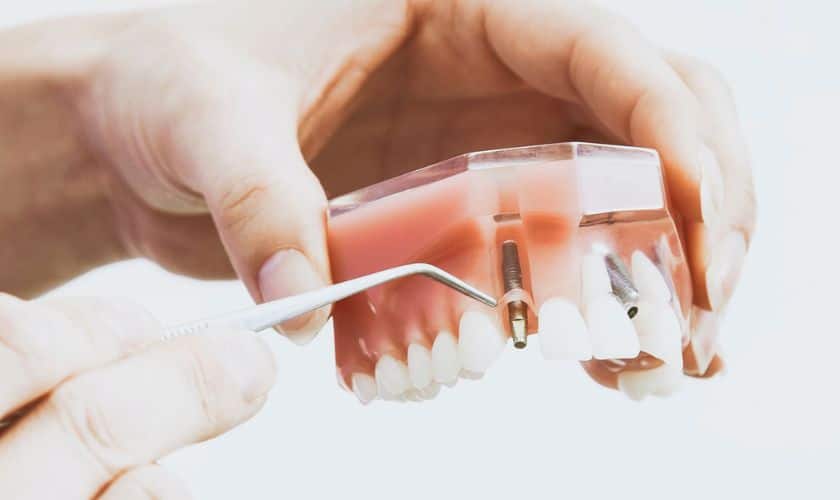
Smoking is a habit that can have a negative impact on your overall health, including your oral health. If you’re considering getting dental implants, it’s important to understand the risks associated with smoking and how it can affect the success of your implants. In this blog, we’ll discuss the risks of smoking and dental implants, as well as what you can do to protect your implants.
The Risks of Smoking and Dental Implants
Implant Failure
One of the biggest risks associated with smoking and dental implants is implant failure. Studies have shown that smokers are more likely to experience implant failure than non-smokers. This is because smoking can reduce the amount of oxygen in the blood, which can lead to a decrease in the amount of blood flow to the implant site. This can cause the implant to fail to integrate with the jawbone, leading to implant failure.
Infection
Smoking can also increase the risk of infection at the implant site. This is because smoking can reduce the amount of saliva in the mouth, which can lead to an increase in bacteria. This bacteria can then cause an infection at the implant site, leading to implant failure.
Bone Loss
Smoking can also lead to bone loss at the implant site. This is because smoking can reduce the amount of blood flow to the implant site, which can lead to a decrease in the amount of nutrients and oxygen that reach the implant site. This can lead to a decrease in the amount of bone that is able to form around the implant, leading to implant failure.
How to Protect Your Implants
Quit Smoking
The best way to protect your implants is to quit smoking. Quitting smoking can help to reduce the risk of implant failure, infection, and bone loss. It can also help to improve your overall health, which can help to reduce the risk of other complications.
Avoid Secondhand Smoke
If you’re unable to quit smoking, it’s important to avoid secondhand smoke. Secondhand smoke can have the same negative effects on your implants as smoking directly. It’s important to avoid being around people who are smoking, as well as avoiding areas where smoking is allowed.
Follow Your Dentist’s Instructions
It’s also important to follow your dentist’s instructions for caring for your implants. This can include brushing and flossing regularly, as well as avoiding certain foods and drinks that can damage your implants. It’s also important to attend regular check-ups with your dentist to ensure that your implants are healthy.
The Bottom Line
Smoking can have a negative impact on dental implants, leading to implant failure and other complications. It’s important to understand the risks associated with smoking and dental implants before making a decision. If you’re a smoker, it’s important to quit smoking and avoid secondhand smoke to protect your implants. It’s also important to visit dentist regularly and follow your dentist’s instructions for caring for your implants.
Tags: Dental Implant
Recent Posts

Oct. 12, 2026
Keep Your Smile Pristine: How to Care for Your Teeth Between Dental Visits
Sep. 28, 2026
Adult Braces Gainesville: How to Prepare for Orthodontic Treatment
Sep. 21, 2026
Dentist Gainesville: What to Expect at Your First Visit

Sep. 14, 2026
Gainesville Dentists: How to Compare Your Local Dental Options
Sep. 07, 2026
Dentist Near Me: 9 Things to Check Before Choosing a Dental Practice
Categories
- Adult Braces (6)
- Cosmetic Dentistry (26)
- Dental Care (41)
- Dental Crown (6)
- Dental Filling (1)
- Dental Health (16)
- Dental Hygiene (7)
- Dental Implant (3)
- Dental Sealants (1)
- Dentist (5)
- Dentures (5)
- Emergency Dentistry (17)
- Family Dentistry (29)
- General Dentistry (24)
- Gum Disease Treatment (4)
- Invisalign (9)
- Laser Teeth Whitening (1)
- Lumineers (1)
- Oral Cancer (1)
- Oral Health (25)
- Orthodontics (32)
- Pediatric Dentistry (13)
- Periodontal Treatment (6)
- Restorative Dentistry (5)
- Root Canal Trearment (2)
- Teeth Whitening (11)
- Tooth Extractions (2)
- Uncategorized (3)
- Veneers (10)
- Veneers & Lumineers (7)
