
February 19, 2025
Teeth Whitening
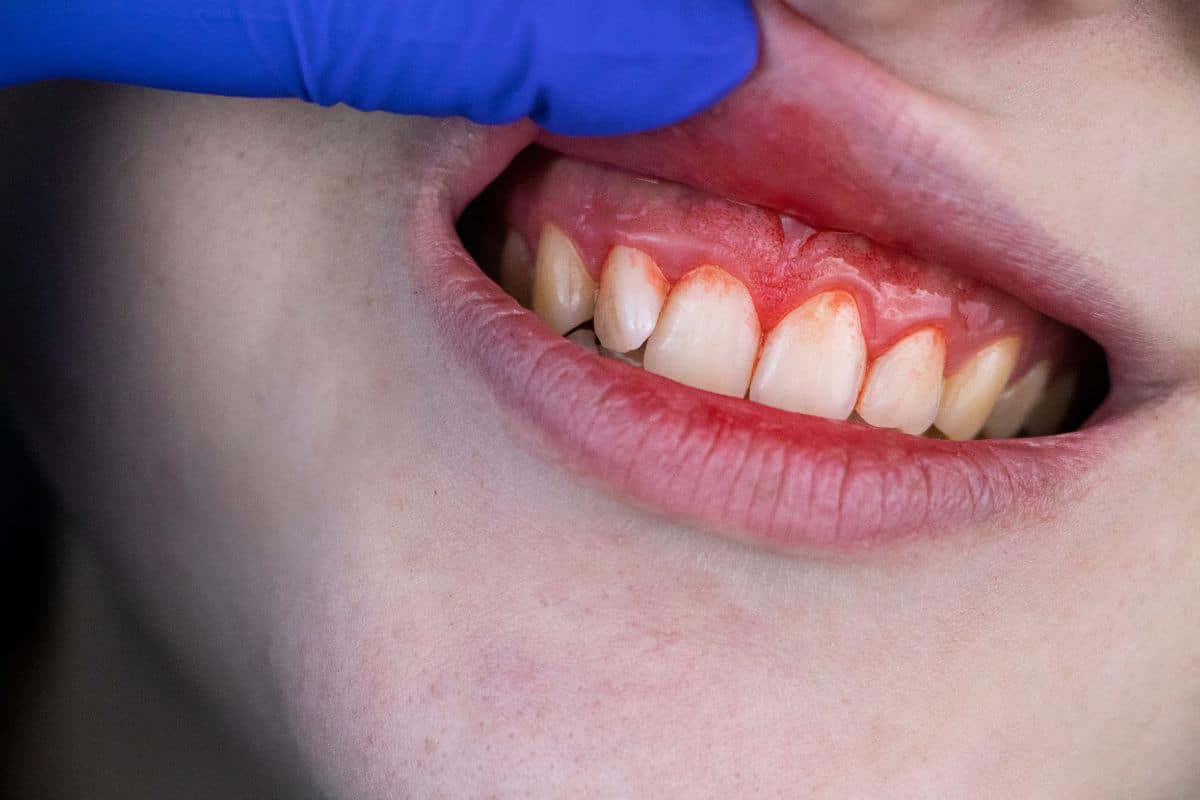
A bright, white smile is something many people desire, but if you have gum disease, you may be wondering whether teeth whitening is safe for you. Gum disease, also known as periodontal disease, affects the health of your gums and can lead to sensitivity, inflammation, and even tooth loss if left untreated. So, is it possible to whiten your teeth without worsening your condition? Let’s explore the risks, alternatives, and the best course of action for achieving a whiter smile while keeping your gums healthy.
Gum Disease and Its Impact on Teeth Whitening
Gum disease occurs in stages, starting with gingivitis (mild inflammation and bleeding of the gums) and potentially progressing to periodontitis (severe infection that can lead to gum recession and bone loss). If your gums are already inflamed or sensitive, applying whitening agents can cause discomfort and further irritation. Most teeth whitening treatments use peroxide-based bleaching agents, which can penetrate the enamel and reach the dentin. This may not only heighten tooth sensitivity but also worsen gum inflammation if applied to already compromised gum tissue.
Risks of Whitening Teeth with Gum Disease
1. Increased Sensitivity
Gum disease often exposes the roots of your teeth, making them more sensitive to hot and cold foods. Whitening treatments, especially those with strong bleaching agents, can intensify this discomfort.
2. Gum Irritation and Pain
Bleaching solutions can irritate inflamed gums, leading to further swelling, soreness, or even bleeding. If your gums are already tender, whitening may only make the condition worse.
3. Uneven Whitening Results
Gum recession caused by periodontal disease can expose the darker roots of your teeth. Since whitening treatments do not work on exposed roots, this can result in an uneven, patchy appearance.
4. Worsening of Existing Conditions
Whitening treatments do not address the underlying issues of gum disease. Ignoring the condition while focusing on cosmetic improvements could allow the disease to progress, leading to more severe dental problems.
Safe Alternatives for Achieving a Brighter Smile
If you have gum disease, the best approach is to focus on treating the condition first before attempting any cosmetic teeth whitening treatment. Here are some safer alternatives to brighten your smile:
1. Professional Dental Cleaning
A deep cleaning by a dentist can remove plaque and tartar buildup, instantly improving the appearance of your teeth. Healthy gums will also make future whitening treatments more effective and safer.
2. Whitening Toothpaste and Mouthwashes
Using a gentle whitening toothpaste or mouthwash with fluoride can help remove surface stains without the harsh effects of bleaching agents. These products provide a more gradual and less irritating whitening effect.
3. Natural Whitening Methods
Brushing with baking soda, eating crunchy fruits and vegetables, and drinking plenty of water can help remove surface stains and keep your teeth looking brighter.
4. Customized Whitening Treatments
If your gum disease is mild and under control, your dentist may offer a customized whitening treatment using milder agents and special protective barriers to minimize gum irritation. This can be a safer approach compared to over-the-counter whitening products.
Why Treating Gum Disease First Is Essential
Before considering any whitening treatment, it’s crucial to address the underlying gum disease. Treating gingivitis or periodontitis will not only improve your overall oral health but also make whitening treatments safer and more effective. Seeking teeth whitening in Gainesville after your gums are healthy ensures that you get the best possible results without risking further damage to your oral tissues.
Consult Your Dentist for the Best Solution
If you have gum disease and are considering teeth whitening, the best step is to consult a dentist in Gainesville. They can evaluate the severity of your condition and recommend the safest and most effective treatment options. A professional approach ensures that you achieve a brighter smile without compromising your gum health. Prioritizing oral health will always lead to the best long-term results, so take the necessary steps to care for your gums before focusing on cosmetic enhancements.
Tags:
Recent Posts

Oct. 12, 2026
Keep Your Smile Pristine: How to Care for Your Teeth Between Dental Visits
Sep. 28, 2026
Adult Braces Gainesville: How to Prepare for Orthodontic Treatment
Sep. 21, 2026
Dentist Gainesville: What to Expect at Your First Visit

Sep. 14, 2026
Gainesville Dentists: How to Compare Your Local Dental Options

Sep. 07, 2026
Dentist Near Me: 9 Things to Check Before Choosing a Dental Practice
Categories
- Adult Braces (6)
- Cosmetic Dentistry (26)
- Dental Care (41)
- Dental Crown (6)
- Dental Filling (1)
- Dental Health (16)
- Dental Hygiene (7)
- Dental Implant (3)
- Dental Sealants (1)
- Dentist (5)
- Dentures (5)
- Emergency Dentistry (17)
- Family Dentistry (29)
- General Dentistry (24)
- Gum Disease Treatment (4)
- Invisalign (9)
- Laser Teeth Whitening (1)
- Lumineers (1)
- Oral Cancer (1)
- Oral Health (25)
- Orthodontics (32)
- Pediatric Dentistry (13)
- Periodontal Treatment (6)
- Restorative Dentistry (5)
- Root Canal Trearment (2)
- Teeth Whitening (11)
- Tooth Extractions (2)
- Uncategorized (3)
- Veneers (10)
- Veneers & Lumineers (7)
