
March 6, 2026
Veneers
A confident smile can change how you feel and how others see you. When teeth are chipped, discolored, or worn, many people explore cosmetic solutions that restore both function and appearance. Two of the most commonly discussed options are veneers and crowns. While both improve your smile, they serve different purposes and suit different dental needs. Understanding their differences helps you make a more informed decision.
What Are Veneers?
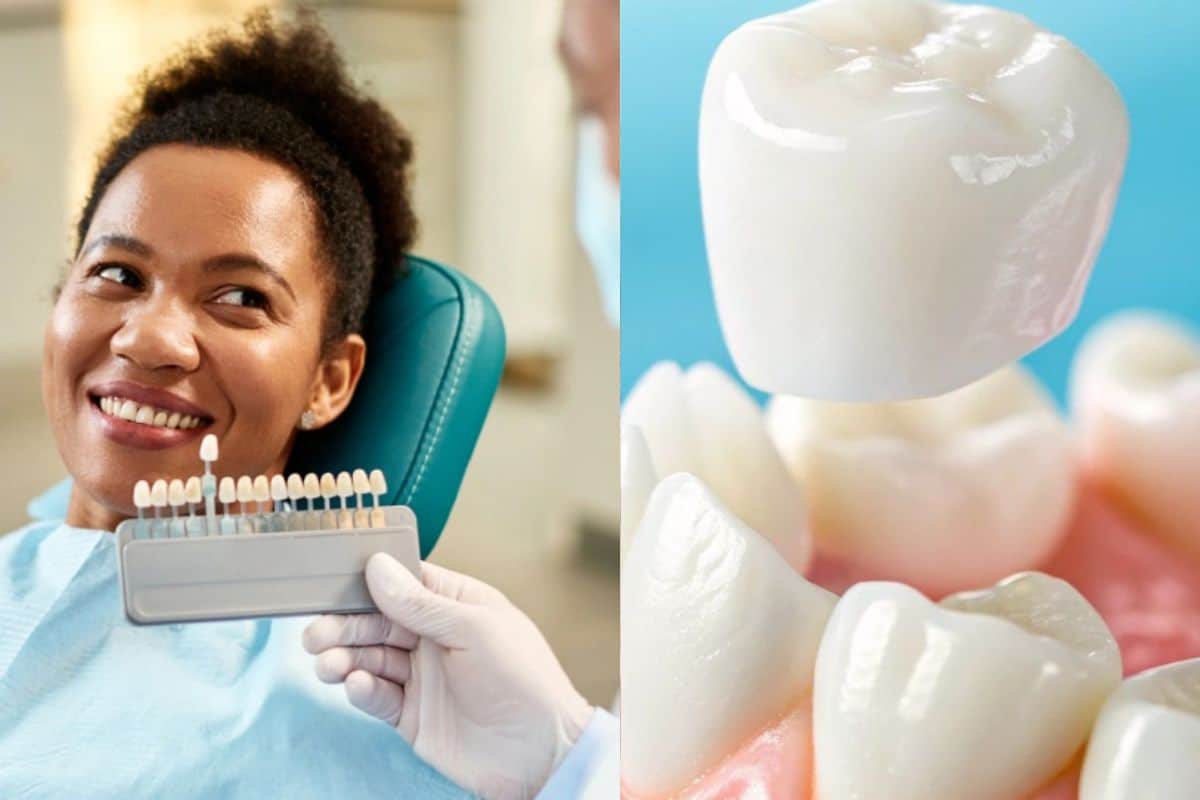
Veneers are thin, custom-made shells that are bonded to the front surface of your teeth. They are typically made from porcelain or composite resin. Their main purpose is cosmetic enhancement.
When Veneers Work Best
-
Mild to moderate discoloration
-
Small chips or cracks
-
Slight misalignment or uneven spacing
-
Worn enamel
Veneers preserve most of your natural tooth structure. This makes them a minimally invasive option. They are designed to blend naturally with surrounding teeth, creating a uniform appearance.
What Are Dental Crowns?
Crowns are full-coverage restorations. They fit over the entire tooth like a cap. They are used when a tooth is structurally compromised or weakened.
When Crowns Are Recommended
-
Large cavities or extensive decay
-
Broken or severely worn teeth
-
After root canal treatment
-
Structural reinforcement
Crowns restore strength, shape, and function. They are often made from porcelain, ceramic, or metal combinations for durability.
Key Differences Between Veneers and Crowns
Coverage and Purpose
Veneers cover only the front surface. Crowns cover the entire tooth. Veneers focus more on aesthetics. Crowns address both function and structure.
Tooth Preparation
Veneers require minimal enamel removal. Crowns require more reshaping to fit securely over the tooth.
Durability and Strength
Crowns are generally stronger because they encase the entire tooth. Veneers are durable but better suited for cosmetic concerns rather than heavy bite pressure.
Longevity Expectations
| Feature | Veneers | Crowns |
|---|---|---|
| Coverage | Front surface only | Entire tooth |
| Best For | Cosmetic improvements | Structural restoration |
| Tooth Reduction | Minimal | Moderate to significant |
| Strength | Moderate | High |
| Maintenance | Routine oral care | Routine oral care |
How to Choose the Right Option
Choosing between veneers and crowns depends on your dental condition and goals. A cosmetic concern with otherwise healthy teeth often points toward veneers. A damaged or weakened tooth usually requires a crown.
In some cases, patients exploring veneers in Gainesville, TX discover that veneers are ideal for smile makeovers involving multiple front teeth. However, if a tooth has significant structural damage, a crown may provide better long-term stability.
Oral Health Considerations You Should Not Ignore
Regardless of your choice, oral health plays a major role in success. For crown users, it is important to recognize early crown infection signs. These may include gum swelling, persistent discomfort, or sensitivity around the treated tooth. Early attention helps prevent complications and preserves the restoration.
For veneer users, maintaining gum health and avoiding habits like teeth grinding is essential. Both options require good oral hygiene and regular dental visits.
Pros and Limitations
Veneers
Pros
-
Natural-looking results
-
Minimally invasive
-
Ideal for cosmetic improvements
Limitations
-
Not suitable for severely damaged teeth
-
May not withstand heavy bite pressure
Crowns
Pros
-
Strong and durable
-
Restores function and structure
-
Protects weakened teeth
Limitations
-
Requires more tooth reduction
-
More extensive procedure
Trending FAQs About Veneers vs. Crowns
Here are common questions people frequently search online:
-
Are veneers better than crowns for front teeth?
Veneers are often preferred for front teeth when the goal is cosmetic improvement and the tooth is structurally healthy. -
Do crowns look natural?
Yes, modern crowns are designed to match natural teeth in color and shape, especially porcelain options. -
Can veneers fix crooked teeth?
They can improve the appearance of slightly misaligned teeth but are not a substitute for orthodontic treatment. -
How do I know if I need a crown instead of a veneer?
If your tooth is cracked, heavily filled, or weakened, a crown is usually the better option. -
Do crowns require special care?
No special care is needed beyond good oral hygiene, but monitoring for crown infection signs is important.
Both veneers and crowns offer effective ways to enhance your smile. The right choice depends on your dental health, aesthetic goals, and long-term needs. A personalized evaluation ensures the treatment aligns with your expectations and oral condition.
If you are considering a smile upgrade and if you are searching for a cosmetic dentist near Gainesville, understanding your options is the first step toward confident decision-making. With the right guidance, you can achieve a natural, lasting result that supports both function and appearance. Take the next step to schedule an appointment and explore what works best for your smile.
Tags: cosmetic dentist near Gainesville, crown infection signs, Trending FAQs About Veneers vs. Crowns, Veneers in Gainesville, Veneers in Gainesville TX
Recent Posts

Oct. 12, 2026
Keep Your Smile Pristine: How to Care for Your Teeth Between Dental Visits
Sep. 28, 2026
Adult Braces Gainesville: How to Prepare for Orthodontic Treatment
Sep. 21, 2026
Dentist Gainesville: What to Expect at Your First Visit

Sep. 14, 2026
Gainesville Dentists: How to Compare Your Local Dental Options
Sep. 07, 2026
Dentist Near Me: 9 Things to Check Before Choosing a Dental Practice
Categories
- Adult Braces (6)
- Cosmetic Dentistry (26)
- Dental Care (41)
- Dental Crown (6)
- Dental Filling (1)
- Dental Health (16)
- Dental Hygiene (7)
- Dental Implant (3)
- Dental Sealants (1)
- Dentist (5)
- Dentures (5)
- Emergency Dentistry (17)
- Family Dentistry (29)
- General Dentistry (24)
- Gum Disease Treatment (4)
- Invisalign (9)
- Laser Teeth Whitening (1)
- Lumineers (1)
- Oral Cancer (1)
- Oral Health (25)
- Orthodontics (32)
- Pediatric Dentistry (13)
- Periodontal Treatment (6)
- Restorative Dentistry (5)
- Root Canal Trearment (2)
- Teeth Whitening (11)
- Tooth Extractions (2)
- Uncategorized (3)
- Veneers (10)
- Veneers & Lumineers (7)
