
November 18, 2024
General Dentistry
Dental extractions are common procedures that protect and maintain oral health. A general dentist may recommend removing a tooth if it is damaged beyond repair, impacted, or threatens surrounding teeth.
Knowing what to expect from this process can reduce anxiety and help you prepare for a smooth experience. Here’s a comprehensive, step-by-step guide to tooth removal. Read this blog to learn the reasons for it and understand the recovery process.
Why is Tooth Removal Sometimes Necessary?
While your general dentist in Gainesville strives to save natural teeth, there are instances where removal becomes the best option. Common reasons include severe decay, infection, crowding, and impaction. For patients with overcrowded teeth, removal may be necessary before orthodontic treatments. Similarly, removing impacted wisdom teeth can prevent pain and misalignment. Sometimes, getting rid of problematic teeth can relieve discomfort and improve oral health overall.
Types of Dental Extraction
The process of removing teeth is divided into two categories: simple and surgical.
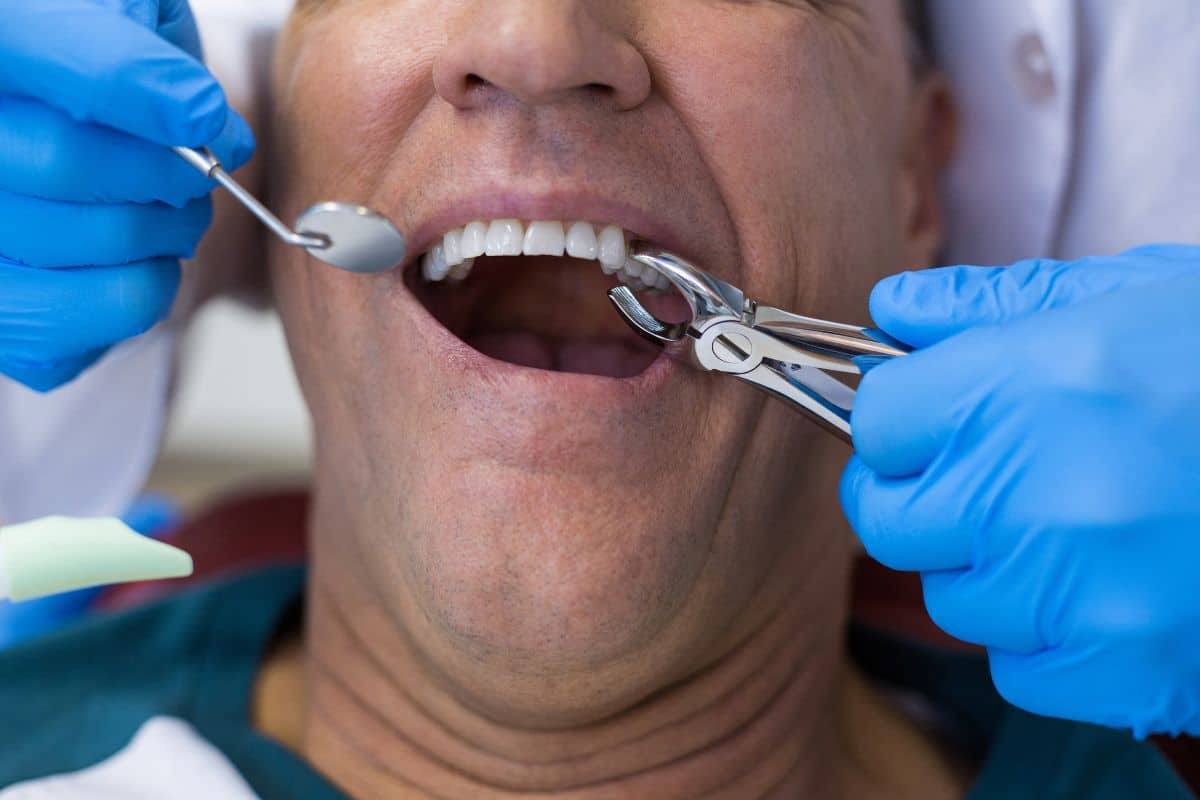
- Simple Removal: This procedure is used for visible teeth. It involves loosening the tooth and removing it with forceps.
- Surgical Removal: Performed for impacted or broken teeth; this more involved procedure may require incisions in the gum. Your dentist will assess the tooth’s position and condition to determine which type of removal is needed.
What to Expect Before the Removal Procedure?
Before a tooth is permanently removed, the patient’s medical history is thoroughly reviewed, and X-rays are taken. This helps dental practitioners plan the procedure safely and effectively. If you’re on certain medications, like blood thinners, your dentist might ask you to pause them to minimize bleeding.
You may also receive local anesthesia to numb the area, though some cases may require sedation for added comfort. Discuss any concerns with your dentist beforehand so they can recommend the best approach.
The Tooth Removal Procedure: Step-by-Step
Here’s a clear breakdown of what typically happens during a dental extraction session.
Numbing the Area: The specialist administers local anesthesia to numb the site. In some cases, sedation may also be used, especially for patients who are anxious or for complex procedures.
Loosening the Tooth: Using a tool called an elevator, the dentist gently rocks the tooth back and forth. This action loosens it from its socket in the jawbone.
Removing the Tooth: Once the tooth is loosened, it is detached from its socket using forceps. For surgical procedures, a small incision is made in the gum, and if the tooth is impacted, it may be removed in pieces.
Closing the Site (if needed): For surgical removals, stitches may be necessary to close the gum. This helps protect the area and speed up healing.
Gauze Placement: To control bleeding, a piece of gauze is placed over the site. The dentist will ask you to bite down gently to help the clot form.
The entire procedure can take anywhere from 20 minutes to an hour, depending on the complexity of the case.
Aftercare: Promoting Healing and Reducing Discomfort
Post-extraction care is essential for proper healing of the site. Here’s what to expect and how to promote a smooth recovery.
Managing Pain and Swelling: Over-the-counter pain relievers, like ibuprofen, can help with post-procedure discomfort. Applying an ice pack to the cheek near the area can reduce swelling.
Taking Care of the Clot: Blood clot formation is crucial for healing. Avoid drinking through straws, smoking, or rinsing vigorously for the first 24 hours, as these can dislodge the clot.
Eating Soft Foods: For the first few days, stick to soft, nutritious foods like yogurt, applesauce, and mashed potatoes. Avoid hot or spicy foods, which could irritate the site.
Oral Hygiene Adjustments: Follow oral hygiene routines, but be gentle around the area. After 24 hours, rinse with a saltwater solution to prevent infection.
Follow-up Visits: If you’ve had a surgical procedure, your general dentist may schedule a follow-up appointment. This allows them to monitor healing and remove stitches if needed.
Possible Complications and When to Call Your Dentist
Complications from tooth removal are rare, but knowing what to watch for can help you act quickly if needed. Some signs to monitor include:
Dry Socket: If the blood clot dislodges, a painful condition known as a dry socket can occur. Symptoms include throbbing pain and a foul odor.
Excessive Bleeding: Some bleeding is normal, but if it continues beyond a few hours, contact your dentist.
Infection: Signs of infection include fever, redness, and increased swelling at the site.
If you experience any of these symptoms, reach out to your dental specialist for prompt care.
Permanently removing a tooth might sound intimidating, but with the proper knowledge and preparation, it can be a straightforward experience. Understanding the steps involved—from initial consultation to post-care—ensures you know what to expect.
Always communicate openly with your general dentist in Gainesville whenever a tooth needs permanent extraction. Allow them to guide you through a stress-free process for better dental health.
Tags:
Recent Posts

Oct. 12, 2026
Keep Your Smile Pristine: How to Care for Your Teeth Between Dental Visits

Sep. 28, 2026
Adult Braces Gainesville: How to Prepare for Orthodontic Treatment

Sep. 21, 2026
Dentist Gainesville: What to Expect at Your First Visit

Sep. 14, 2026
Gainesville Dentists: How to Compare Your Local Dental Options

Sep. 07, 2026
Dentist Near Me: 9 Things to Check Before Choosing a Dental Practice
Categories
- Adult Braces (6)
- Cosmetic Dentistry (26)
- Dental Care (41)
- Dental Crown (6)
- Dental Filling (1)
- Dental Health (16)
- Dental Hygiene (7)
- Dental Implant (3)
- Dental Sealants (1)
- Dentist (5)
- Dentures (5)
- Emergency Dentistry (17)
- Family Dentistry (29)
- General Dentistry (24)
- Gum Disease Treatment (4)
- Invisalign (9)
- Laser Teeth Whitening (1)
- Lumineers (1)
- Oral Cancer (1)
- Oral Health (25)
- Orthodontics (32)
- Pediatric Dentistry (13)
- Periodontal Treatment (6)
- Restorative Dentistry (5)
- Root Canal Trearment (2)
- Teeth Whitening (11)
- Tooth Extractions (2)
- Uncategorized (3)
- Veneers (10)
- Veneers & Lumineers (7)
